
 by
The DPF light is one of the most misunderstood warnings on a van dashboard. Handled correctly in the first few miles it usually costs nothing. Ignored for a few weeks it can turn into a four-figure bill. The difference is almost entirely about understanding what the light is actually asking you to do.
What a DPF does
The diesel particulate filter traps soot from the exhaust rather than letting it out of the tailpipe. Because it fills up, it has to be emptied, and it does this by burning the trapped soot off at high temperature in a process called regeneration. The ash left behind cannot be burned away and slowly accumulates over the filter life, which is why even a well-treated DPF eventually needs cleaning or replacing.
The three kinds of regeneration
- Passive. Happens naturally when the exhaust is hot enough for long enough, typically at sustained higher speeds. You will not notice it.
- Active. The engine control unit deliberately raises exhaust temperature, usually by altering injection timing, to burn off accumulated soot. This needs the van to be driven for a sustained period. You may notice a slightly raised idle, a change in engine note, a hot smell, cooling fans running on, or the stop-start system becoming unavailable.
- Forced or static. Commanded by a technician with a diagnostic tool when the filter is too loaded for the van to recover on its own. Only possible while soot loading remains within a recoverable range.
Safety and legal notes
Exhaust and DPF components run extremely hot and stay hot long after the engine is switched off. During an active regeneration, exhaust temperatures rise significantly. Never park over long dry grass or flammable material when a regeneration may be running, and allow ample cooling time before working near the exhaust.
Removing, gutting or disabling a DPF fitted as original equipment is an MOT failure in the UK and can make the van illegal to use on a public road. It may also invalidate insurance. Faults should be repaired, not deleted. Nothing in this guide should be read as encouragement to tamper with emissions equipment.
What your specific warning means
Exact wording and symbols vary by manufacturer, so check your handbook. Broadly, warnings escalate through three stages.
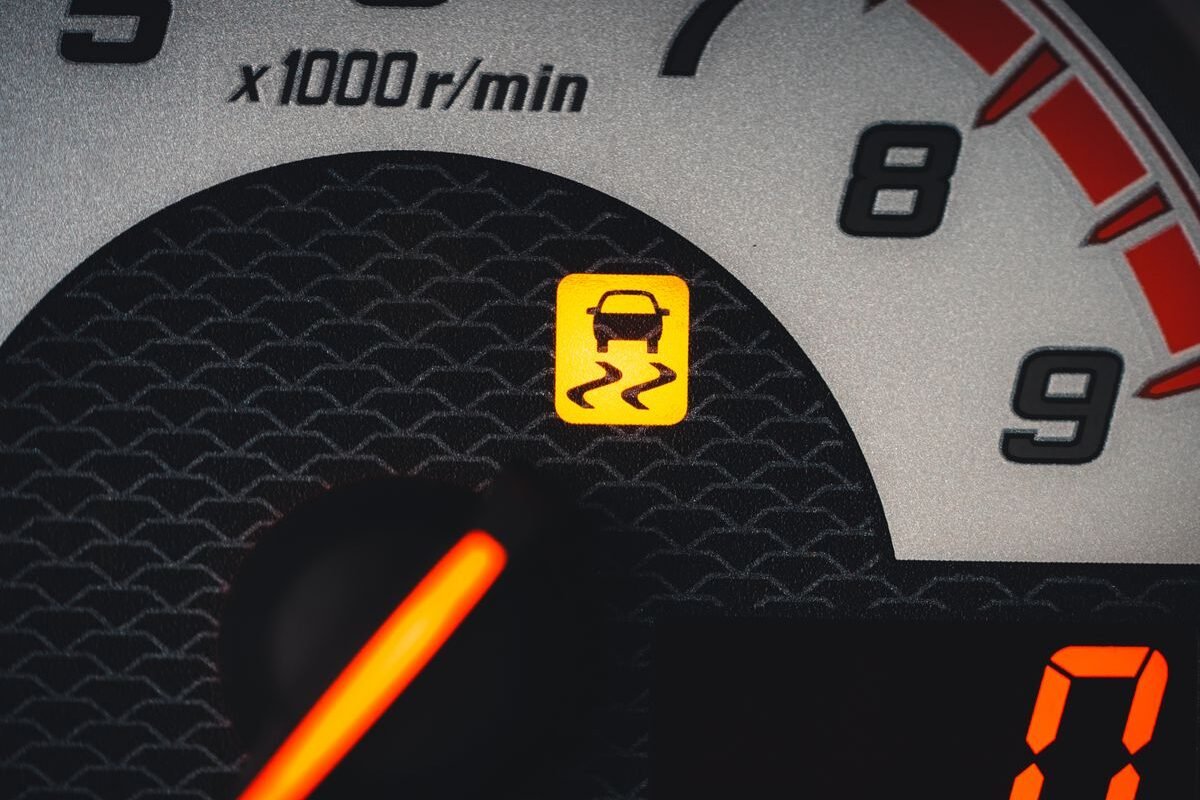
Stage one: DPF light on, steady, no other warnings
This is a request, not a fault. The van is telling you it needs a sustained run to complete a regeneration it cannot finish in your current driving pattern.
What to do: Drive the van for a continuous period at sustained speed in a lower gear than normal, keeping engine revs up and load moderate. A dual carriageway or motorway run is ideal. Manufacturer guidance on speed and duration differs, so follow your handbook where it gives specifics. Keep going until the light goes out rather than stopping partway.
What not to do: Ignore it and carry on with short journeys, or switch the engine off partway through a regeneration.
Stage two: DPF light plus engine management light, or a flashing DPF light
Soot loading is now higher and the van may have stopped attempting regeneration automatically.
What to do: A drive cycle may still work, but if it does not clear promptly, book it in. At this stage a garage can read soot loading and run a forced regeneration if the level is still recoverable. Leaving it longer reduces the chance of a straightforward fix.
Stage three: reduced power or limp mode
The van has restricted power to protect itself.
What to do: Do not attempt to drive it out of this. Get it to a garage. Beyond a certain soot loading the control unit will refuse a forced regeneration, and the filter must come off for cleaning or be replaced.
Why regeneration fails
A DPF that blocks repeatedly is usually reporting a problem elsewhere. Replacing the filter without finding that cause simply resets the clock.
- Journey pattern. The most common cause by far. Short, cold, low-speed trips never let the exhaust reach regeneration temperature. Covered in detail in our guide to why regeneration fails on short-journey vans.
- Interrupted regenerations. Switching off partway leaves partially burned soot behind and the cycle has to start again.
- Wrong engine oil. Oil that is not low-SAPS produces more non-combustible ash, permanently shortening filter life.
- Faults that increase soot. A sticking EGR valve, worn injectors, a failing turbo or a leaking boost system all raise soot output.
- Sensor faults. The differential pressure sensor and its pipes tell the control unit how blocked the filter is. If they are faulty or blocked, the van can misjudge the situation entirely, either regenerating constantly or not at all.
- Low fuel or low coolant temperature. Many vans will not begin an active regeneration below a certain fuel level or until the engine is fully warm.
Diagnostic sequence
1. Read live data, not just codes
Check: Soot loading percentage or grams, differential pressure, exhaust gas temperatures, distance since last successful regeneration, and any regeneration inhibit reasons.
Next action: Soot loading tells you immediately whether a drive cycle, a forced regeneration or removal is realistic. This single reading shapes the whole repair decision.
2. Check the regeneration history
Check: How many regenerations have been attempted recently and how many completed.
Next action: Frequent attempts with few completions points at journey pattern or interruption. Frequent successful regenerations at short intervals points at excessive soot production, so investigate the engine rather than the filter.
3. Inspect the differential pressure sensor and pipes
Check: The small pipes running to the sensor block with soot or perish with age.
Next action: Blocked or split pipes give false readings and are cheap to fix. Worth checking before anything expensive.
4. Look for upstream faults
Check: Stored codes for EGR, injectors, turbo, boost pressure and glow plugs.
Next action: Fix these first. A DPF fitted behind an unresolved fault will block again.
5. Confirm the oil specification
Check: Service history and what was last used.
Next action: Incorrect oil accelerates ash loading irreversibly. Ensure the correct low-SAPS specification for your engine is used from now on.
Repair options
- Drive cycle. Free, and resolves a great many stage-one warnings.
- Forced regeneration. Carried out by a garage, viable while soot loading is within range.
- On-vehicle chemical cleaning. Products injected into the filter to assist burn-off. Results vary and it suits partially blocked filters rather than severely loaded ones.
- Off-vehicle professional cleaning. The filter is removed and cleaned properly, which also removes ash that regeneration cannot. Usually far cheaper than replacement and effective where the substrate is intact.
- Replacement. Necessary where the substrate is cracked, melted or so ash-loaded that cleaning cannot restore flow.
Indicative UK costs
Broad context only. A forced regeneration at a garage is typically a modest diagnostic-level charge. Professional off-vehicle cleaning commonly runs into the low hundreds. A replacement DPF is a significant expense, frequently over a thousand pounds for an original equipment part on some models, though aftermarket options cost less. Get quotes, and ask whether cleaning has been considered before replacement.
When to stop and get help
Get it to a garage if the light does not clear after a proper sustained run, if the engine management light is also on, if power is reduced, or if the DPF light returns within a short time of clearing. That last pattern in particular indicates an underlying fault that will keep recurring.
Prevention
Build at least one longer, higher-speed run into the van weekly. Use the correct low-SAPS oil and change it on time. Let an active regeneration finish where you safely can. Address engine warning lights promptly, since faults that increase soot shorten DPF life. Keep enough fuel in the tank, as many vans will not regenerate when low.
Frequently asked questions
How long should the clearing drive be?
Manufacturers differ, so check your handbook. The general principle is sustained speed and moderate engine load for long enough to get the exhaust properly hot, which usually means a continuous run rather than a stop-start journey.
Can I remove the DPF instead?
No. It is an MOT failure in the UK, can make the van illegal to use on the road and may affect your insurance. It is not a repair.
Are additives worth using?
They can assist a partially loaded filter, particularly alongside a good drive cycle. They are not a fix for a heavily blocked filter and not a substitute for resolving an underlying fault.
Why does the light keep coming back?
Either the driving pattern is not allowing regeneration, or something upstream is producing excess soot. If it returns repeatedly, stop clearing it and start diagnosing the cause.


8 thoughts on “DPF Warning Light on Your Van: What It Means and What to Do”