 by
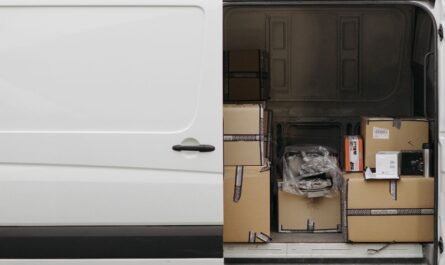
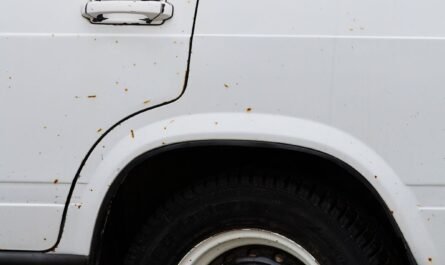
Mechanical faults get the attention, but on an older Transit, rust is often what decides whether a van is worth keeping. UK roads, salt in winter and vans parked outside year-round all take their toll. This guide shows where Ford Transit rust usually starts on each generation, what an MOT tester will look for, and how to slow it down.
Cosmetic rust vs structural rust
Surface rust on a door edge looks bad but is not an MOT failure on its own. Corrosion that weakens a prescribed area, such as structure within 30 cm of a seat belt anchorage, suspension mounting or steering component, or that leaves sharp edges likely to cause injury, is a different matter. The rule of thumb: if the metal is flaking, holed or soft when pressed, it needs proper repair.
See our van MOT checklist for the full list of what testers inspect.
Mk7 Transit (2006–2014)
The Mk7 is now old enough that most examples show some corrosion. Check carefully:
- Front wheel arches and the panel behind the front wheels. Mud traps here and rots the arch lip and the lower edge of the front wing.
- Sills and the step below the cab doors. Look underneath as well as from outside.
- Cab door bottoms. Blocked drain holes hold water inside the door.
- Sliding door runners and lower door edges. The rear runner channel is a common trap for water and dirt.
- Rear door bottoms and hinges.
- Rear crossmember and chassis rails on rear-wheel-drive models, especially around the spring hangers.
- Windscreen surround. Rust under the screen seal can cause leaks into the cab.
- Brake pipes and fuel lines. Corroded pipes are an MOT failure and a safety risk.
Mk8 Transit (2014 onwards)
Corrosion protection is better, but high-mileage and heavily used vans still develop problems. Look at:
- Bonnet leading edge and front panel from stone chips.
- Door bottoms and seams, particularly the sliding door and rear doors.
- Sliding door lower runner area.
- Rear suspension components and leaf spring hangers on rear-wheel-drive vans.
- Subframe and lower arm mounting areas on front-wheel-drive vans.
- Exhaust and heat shields. Rusty heat shield brackets rattle and can fall off.
Transit Custom (2012 onwards)
- Bonnet edge and front wings from stone chips.
- Tailgate or rear door lower edges and the number plate area.
- Sliding door edges and the bottom runner.
- Rear arches, especially where aftermarket arch trims trap dirt.
- Rear axle and suspension mounts on older vans.
Hidden problem areas on all Transits
Roof racks and ladder racks
Racks bolted through the roof can let water in around the fixings if the seals fail. Rust then starts inside the roof panel where you cannot see it.
Aftermarket fittings
Racking, tow bars, step bars and lighting often involve drilling. Untreated drill holes rust quickly.
Load area floor
Ply lining can trap water against the steel floor. If the lining is wet underneath, lift a section and check the metal.
Damp interiors
Persistent damp accelerates rust and damages electrics. Our guide to van interior damp explains how to find leaks.
How to check a Transit for rust
- Inspect in good daylight, with the van clean.
- Get underneath with a torch, or use ramps if safe to do so.
- Press suspect areas firmly with a thumb or the handle of a screwdriver. Soft or flaking metal is a bad sign.
- Look for fresh underseal or thick paint in only one area, which can hide recent bodges.
- Check the MOT history online for advisories mentioning corrosion. It is free on GOV.UK.
How to slow rust down
- Wash the underside through winter, especially after gritted roads.
- Clear drain holes in doors and sills.
- Touch in stone chips on the bonnet and front panel promptly.
- Treat surface rust early: wire brush, rust converter, primer and paint.
- Apply cavity wax to sills, door bottoms and box sections.
- Use underbody protection on chassis and suspension areas, applied to clean, dry metal.
- Seal any drill holes when fitting accessories.
Our broader article on van corrosion covers products and methods in more detail.
Frequently asked questions
Do Ford Transits rust badly?
Older Mk7 models are known for rusting, especially on wheel arches and door bottoms. Later models are better but are not immune, particularly on working vans that are rarely washed.
Is rust on a Transit an MOT failure?
Only if it is excessive corrosion in a prescribed area or creates sharp edges. Surface rust alone usually produces an advisory, not a failure.
Is it worth repairing rust on an old Transit?
If the van is mechanically sound and the rust is localised, welding repairs are often worthwhile. Widespread structural rust is usually where repair costs outweigh the van’s value.
General owner guidance. Structural welding should be carried out by a competent professional.
Vehicle-specific reference and safe use
Match the VIN, engine code, build date and drivetrain before applying a procedure. The references below provide vehicle instructions or technical background; they do not establish that a particular component has failed on your van.