 by
A van that will not start is lost income. The key to sorting it quickly is working out which kind of no-start you have, because the causes are very different. This guide walks through the reasons a Ford Transit won’t start, from the simple to the more involved, so you can narrow it down before calling for help.
First: what happens when you turn the key or press start?
- Nothing at all, no dash lights – battery, main fuse or connection.
- Dash lights but no crank, or a single click – battery voltage, starter motor, starter relay, immobiliser or the clutch pedal switch.
- Cranks slowly – weak battery, poor connections or a failing starter.
- Cranks normally but will not fire – fuel, glow plugs (in cold weather), immobiliser fuel cut, sensors or AdBlue lockout.
- Starts then dies – immobiliser, fuel supply or air in the fuel.
1. Battery and connections
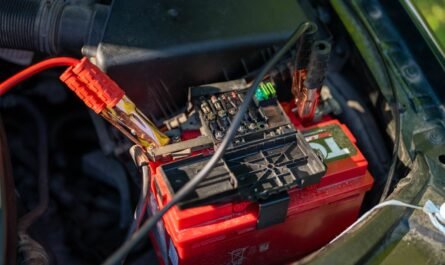
The most common cause by far. A healthy battery reads about 12.6 volts at rest. Below 12.2 volts, starting becomes unreliable, especially on a cold morning. Check:
- Battery voltage at rest and while cranking. It should not drop much below 10 volts while cranking.
- Terminals tight and free of corrosion.
- The main earth strap from the engine to the body.
- The battery monitoring sensor on the negative terminal is connected.
Transits with stop-start need the correct battery type, usually EFB or AGM. Fitting the wrong type causes repeat problems. After a battery replacement, the battery monitoring system should be reset with a diagnostic tool or the procedure in the handbook.
2. Clutch pedal switch
Most Transits will not crank unless the clutch pedal is fully pressed. A faulty clutch pedal position switch, or a mat stopping the pedal travelling fully, prevents cranking. Make sure the pedal is pushed right to the floor.
3. Starter motor
A single loud click with good battery voltage often points to the starter solenoid or motor. Intermittent no-crank that is “fixed” by tapping the starter is a sign it is near the end. Our guide to starter motor faults covers testing.
4. Immobiliser and key
If the key is not recognised, the engine may not crank, or it may start and stall after a second or two. Look for a flashing security light or a “key not detected” message. Try the spare key. A damaged key, weak key battery on keyless models or a failed receiver can be the cause. See our article on immobiliser and key problems.
5. Fuel supply
Diesel Transits need clean fuel at the right pressure to start. Common causes of crank but no start include:
- Running out of fuel or very low fuel, which lets air into the system. Diesel systems may need priming after running dry.
- Blocked fuel filter or water in the filter.
- Waxed fuel in very cold weather.
- Air leaks in fuel lines or the filter housing.
- Leaking injectors or worn high-pressure pump, preventing rail pressure building.
- Wrong fuel, such as petrol in a diesel. Do not keep cranking.
A scan tool showing rail pressure while cranking quickly shows whether fuel pressure is the problem. Related guides: water in diesel and diesel waxing in cold weather.
6. Glow plugs
Modern diesels usually start without glow plugs in mild weather, but in the cold, failed glow plugs or a faulty glow plug control module cause long cranking, rough running and white smoke on start-up. Our guide to cold starting and glow plugs covers testing.
7. Crankshaft and camshaft sensors
If the engine computer cannot see engine speed or position, it will not fire the injectors. A failed crank sensor often causes a sudden no-start or cutting out when hot. Watch the rev counter while cranking: if it does not move at all, the crank signal may be missing.
8. AdBlue lockout
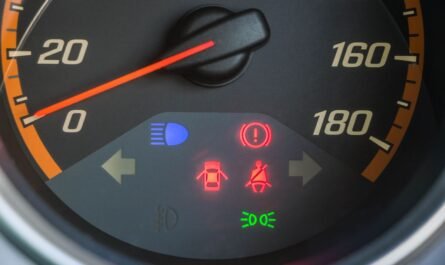
On Euro 6 vans, if the AdBlue countdown reached zero, the engine will not restart until the fault is fixed or AdBlue topped up. Check the dash for the message. See our Ford Transit AdBlue guide.
9. Inertia switch and fuses
Some Transits have a fuel cut-off that can be triggered after a bump. Check the handbook for its location and how to reset it. Check main fuses and relays for the fuel pump and engine management too.
10. Engine timing and mechanical faults
If the engine cranks unevenly or too fast, there may be a mechanical problem such as a jumped timing chain or belt. On the 2.0 EcoBlue, an oil pressure issue may have damaged components. This needs professional diagnosis, and continuing to crank can make it worse.
Frequently asked questions
Why does my Transit crank but not start?
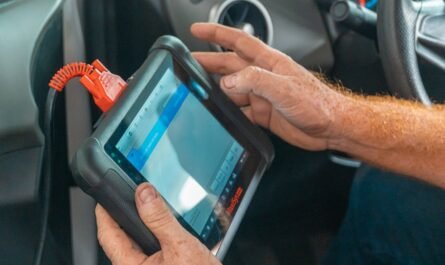
The most common causes are fuel supply problems, an immobiliser fault, a failed crank sensor or an AdBlue lockout. Reading the fault codes is the fastest way to narrow it down.
Can a bad battery stop a Transit starting even if lights work?
Yes. Lights need very little current, but the starter needs a lot. A battery can light the dash and still fail to crank the engine.
Should I jump start a Transit?
Yes, using the jump points recommended in the handbook. Connect the final negative lead to the designated earth point, not directly to the battery negative, to protect the battery monitoring sensor.
General owner guidance. Follow your handbook for jump starting and safety procedures.
Vehicle-specific reference and safe use
Match the VIN, engine code, build date and drivetrain before applying a procedure. The references below provide vehicle instructions or technical background; they do not establish that a particular component has failed on your van.