Ford Transit Fault Codes: Common Engine Codes Explained
 by
Ford Transit fault codes explained: common P and U codes for fuel, turbo, EGR, DPF and AdBlue faults, what they mean and the likely causes to check first.

Van repair, diagnostics and maintenance guides for UK van owners
Structured diagnostic guides for UK van owners — warning lights, fault codes, no-start problems, electrical and charging faults, and how to test properly before spending money on parts.
Ford Transit fault codes explained: common P and U codes for fuel, turbo, EGR, DPF and AdBlue faults, what they mean and the likely causes to check first.
Ford Transit won’t start? Work through the causes in order: battery, starter, immobiliser, fuel, glow plugs and AdBlue lockout, with the checks you can do yourself.
Ford Transit limp mode explained: what it is, the most common causes from boost leaks to DPF and sensors, the fault codes to look for and a step-by-step diagnosis.
The fault that never happens at the garage. How to record the pattern properly, use freeze frame data, and stop paying for repeated speculative repairs.
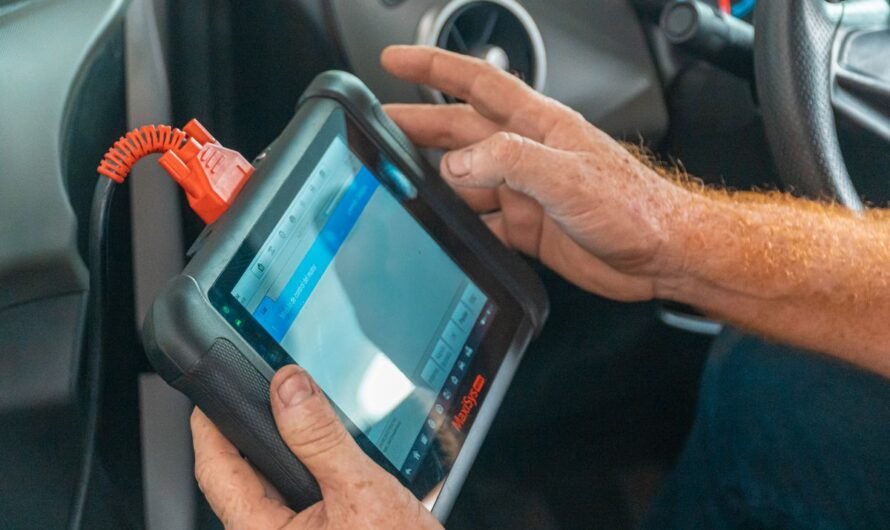
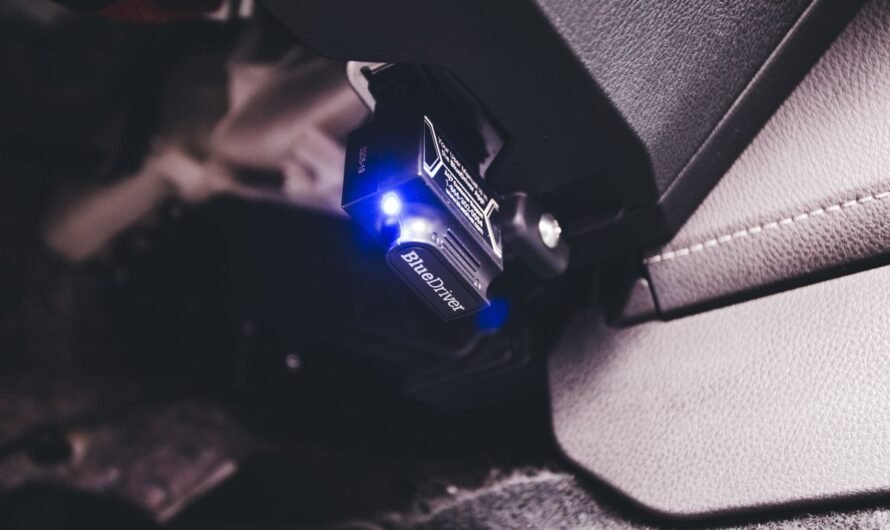
Cheap readers show engine codes and little else. What live data, actuator tests and module access actually get you, and how much capability you need.
A fault code names a measurement that fell out of range, not a part that failed. How to read code wording literally, use live data to confirm, and avoid replacing healthy components.
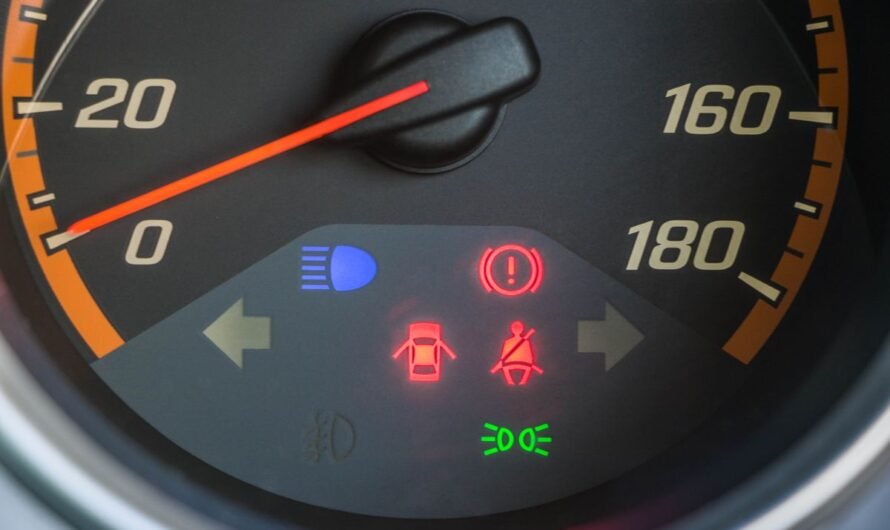
Learn the colour code and you know the urgency even for symbols you do not recognise. What each common van warning light means, what to do, and which ones mean stop now.
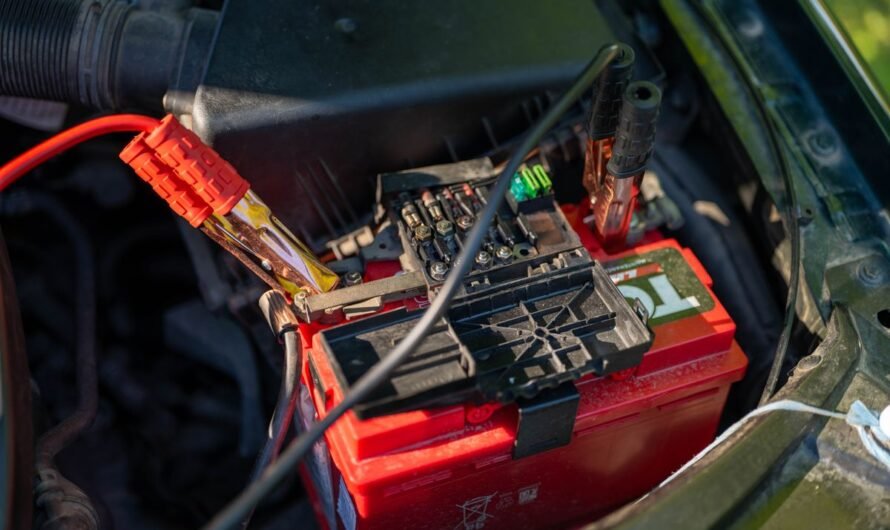
A battery can read a healthy 12.6 volts at rest and still fail under load. How to test properly, find a parasitic drain, and why smart charging changes what a normal reading looks like.
Does it crank or not? That single question splits diesel no-start diagnosis into two very different paths. A structured sequence through both, plus the start-then-stall pattern.