 by
One minute the van is pulling normally, the next it struggles to get past 40 mph with a warning light on the dash. That is Ford Transit limp mode, and while it is frustrating, it is the engine computer doing its job: protecting the engine, turbo or emissions system from damage after it detects a fault.
This guide explains what limp mode is on a Transit, the most common causes, and a logical way to find the fault without throwing parts at it.
What limp mode does
When the powertrain control module (PCM) sees a reading outside safe limits, it reduces power, limits boost and sometimes restricts revs. The aim is to let you get the van home or to a garage without causing more damage. Some faults clear after switching off and restarting. Others return immediately because the problem is still present.
Even if limp mode clears on restart, the fault code is stored. Read it before it gets overwritten or forgotten.
Most common causes on a Transit
1. Boost leaks
One possible cause on Transit and Transit Custom. Intercooler hoses split at the folds or clips, the intercooler cracks, or a hose pops off under load. The PCM sees lower boost than it asked for, logs an underboost code such as P0299 and cuts power. Listen for a whoosh or whistle under acceleration and look for oily residue around the hoses and intercooler.
2. Turbo actuator or sticking vanes
Transits use variable geometry turbos. Soot can make the vanes stick, and electronic actuators can fail. The result can be overboost (P0234) or underboost codes. Our guide to van turbo problems covers testing.
3. DPF blockage or sensor faults
A high soot load or a faulty DPF differential pressure sensor will trigger reduced power. See our dedicated Ford Transit DPF guide.
4. EGR valve faults
A sticking EGR valve upsets the air and fuel mixture and can trigger P0401 or P0400-series codes and limp mode.
5. Fuel pressure problems
Low rail pressure (P0087) from a blocked fuel filter, an air leak, a weak low-pressure supply or a worn high-pressure pump will cause limp mode, often under load or on hills. Change the fuel filter first if it is due.
6. Sensors
Faulty mass air flow (MAF), boost pressure (MAP), rail pressure or accelerator pedal sensors can all cause limp mode. Live data is the best way to spot a sensor that reads implausibly.
7. AdBlue and NOx faults
On Euro 6 vans, some SCR faults reduce power as well as triggering the start countdown. See our guide to Ford Transit AdBlue problems.
8. Wiring and connectors
Chafed harnesses and corroded connectors near the engine cause intermittent limp mode that seems to come and go with the weather or engine movement.
Fault codes worth knowing
- P0299 – Turbo underboost.
- P0234 – Turbo overboost.
- P2263 – Turbo boost system performance.
- P0087 – Fuel rail pressure too low.
- P0401 – EGR flow insufficient.
- P2002 / P2463 – DPF efficiency or soot accumulation.
- P0101 – MAF sensor range or performance.
Step-by-step diagnosis
- Read all codes from every module, including freeze frame data showing speed, load and temperature when the fault set.
- Do a visual check of intercooler hoses, clips, the intercooler and the air filter housing.
- Smoke test the intake if you suspect a boost leak but cannot see one. It is quick and finds small splits.
- Check live data on a road test: requested versus actual boost, requested versus actual rail pressure, MAF reading and DPF soot load.
- Check the fuel filter and its service date.
- Test the EGR valve and turbo actuator using actuator tests if your scan tool supports them.
- Inspect wiring where harnesses pass hot or moving parts.
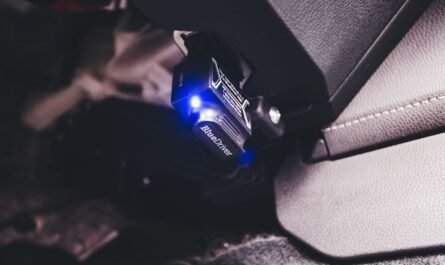
A good scan tool makes this far easier. Our scan tool buying guide explains what to look for.
Is it safe to drive in limp mode?
Limp mode is designed to get you somewhere safely, but it is not a long-term fix. Reduced power makes motorway driving and overtaking dangerous, and some underlying faults, such as low oil pressure or overheating, can cause serious damage if you keep driving. Get the van checked as soon as you can.
Frequently asked questions
Why does my Transit go into limp mode going up hills?
Under heavy load the engine demands maximum boost and fuel. Small boost leaks and weak fuel delivery show up most under these conditions.
Will disconnecting the battery reset limp mode?
It may clear the warning temporarily, but it also wipes useful data and will not fix the cause. Reading the codes first is a far better approach.
Can a clogged air filter cause limp mode?
A badly blocked air filter can reduce airflow enough to upset MAF and boost readings, so it is always worth checking.
General information only. Use Ford workshop data and a qualified mechanic for detailed diagnosis.
Vehicle-specific reference and safe use
Match the VIN, engine code, build date and drivetrain before applying a procedure. The references below provide vehicle instructions or technical background; they do not establish that a particular component has failed on your van.