 by
If you run a modern diesel van in the UK, the diesel particulate filter (DPF) is one of the parts most likely to cost you time and money. Nearly every diesel van built since around 2009 has one, and most van owners only find out how it works when a warning light comes on and the van drops into limp mode on the way to a job. This guide explains what the DPF does, why it blocks, how to spot trouble early, and what the sensible repair options are, from free fixes to full replacement.
What a DPF Actually Does
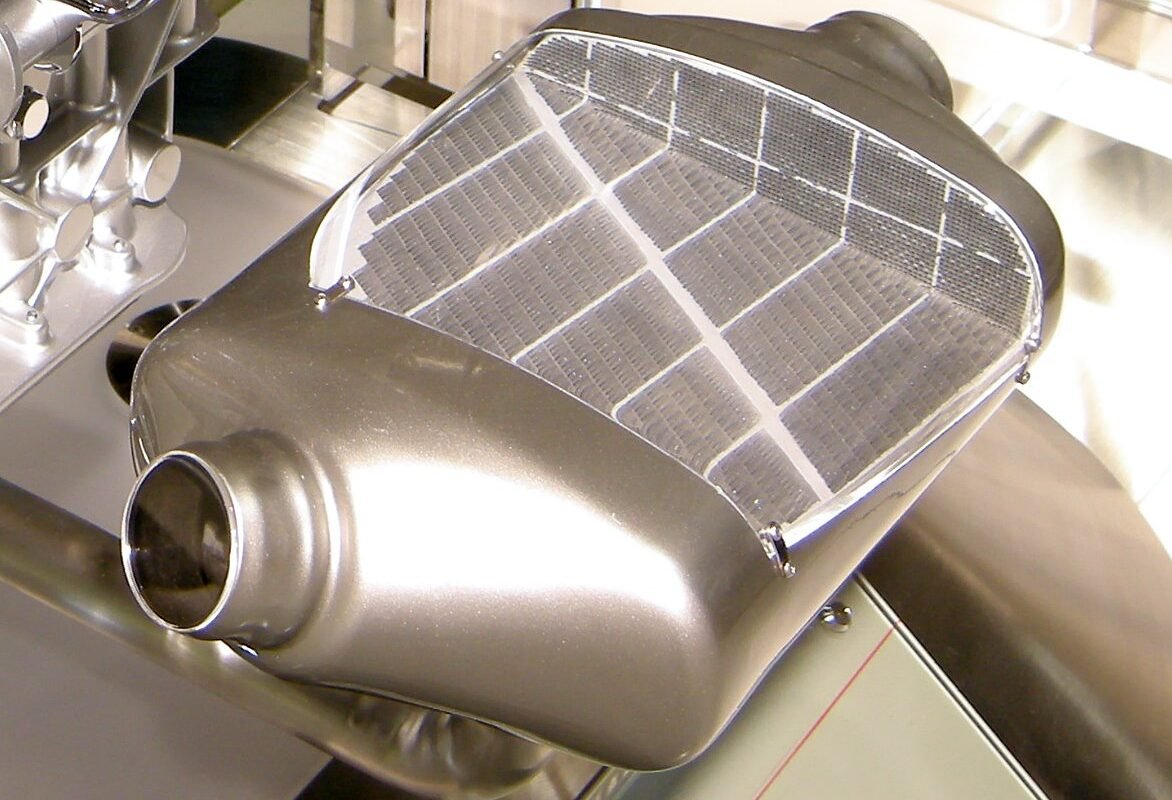
A diesel engine produces soot (particulate matter) as a by-product of combustion. The DPF sits in the exhaust, usually just after the turbo and catalytic converter, and traps that soot in a honeycomb ceramic structure. The channels are blocked at alternate ends, so exhaust gas is forced through the porous walls while the soot stays behind.
A filter that only ever collected soot would block within a few hundred miles, so the van has to burn the soot off. This process is called regeneration, and understanding it is the key to understanding almost every DPF problem.
Passive and Active Regeneration
Passive regeneration
When the exhaust is hot enough, typically during steady motorway or A-road driving, soot burns off slowly on its own. A van that spends a good part of each week at sustained speed often looks after its DPF without the driver noticing anything.
Active regeneration
When the engine control unit (ECU) calculates that the filter is getting full, it raises exhaust temperature deliberately. It does this by adding extra fuel injections late in the combustion cycle, adjusting the throttle and EGR, and sometimes raising idle speed. The soot then burns off at roughly 600°C. An active regeneration usually takes 10 to 20 minutes of continuous driving.
The problem is that many vans never get those 20 minutes. Multi-drop delivery, trades vans doing short hops between jobs and vans left idling at site all interrupt regeneration. Each interrupted attempt leaves the filter a little fuller, until the ECU gives up and puts the warning light on.
Signs Your DPF Is Blocking
- DPF warning light on the dashboard (often an orange box with dots inside it).
- Loss of power or limp mode, where the van refuses to rev past about 2,500–3,000 rpm.
- Cooling fan running after switch-off and a hot, acrid smell – signs a regeneration was interrupted.
- Raised idle speed or the stop-start system not working – many vans disable stop-start during a regeneration.
- Higher fuel consumption, because frequent regeneration attempts use extra diesel.
- Rising oil level on the dipstick. This one is often missed: the extra fuel injected during regeneration can wash past the piston rings and dilute the engine oil. A diesel-smelling oil level above the max mark is a warning that should not be ignored.
Why DPFs Block: The Real Causes
It is tempting to blame the filter itself, but in most cases the DPF is the victim of something else. Replacing a filter without finding the cause usually means the new one blocks too.
1. Driving pattern
Short journeys and lots of idling are the number one cause. The fix is often simply a regular longer run.
2. Faulty EGR valve
A sticking exhaust gas recirculation valve changes how the engine burns fuel and can dramatically increase soot production. EGR and DPF problems very often turn up together.
3. Worn or leaking injectors
An injector that drips or sprays poorly produces extra soot. Injector leak-off tests and the correction values read by a diagnostic tool will point you towards a problem injector.
4. Faulty differential pressure sensor
The ECU estimates how full the DPF is using a pressure sensor that compares the pressure before and after the filter. If the sensor is faulty or one of its small rubber pipes has split or blocked, the ECU may think the filter is full when it is not, or miss a genuine blockage. This is a cheap part and should be checked early.
5. Boost leaks and turbo problems
A split intercooler hose or a turbo that is not making full boost upsets the air-fuel ratio, so the engine produces more soot.
6. Wrong engine oil
Engines with a DPF need low-SAPS oil (low sulphated ash, phosphorus and sulphur) to the specification your manufacturer lists. Ash from ordinary oil cannot be burned off by regeneration – it stays in the filter for good. Cheap oil is a false economy on a DPF van.
7. Ash loading at high mileage
Even with the right oil, a small amount of ash builds up over the life of the van. At high mileage the filter may simply be full of ash that regeneration cannot remove, and it will need cleaning or replacing.
What to Do When the DPF Light Comes On
Step 1: Check whether your van permits a regeneration drive
Follow the owner manual for the exact warning displayed. There is no safe universal speed, engine speed or driving duration for every van. Do not attempt a regeneration drive if the manual calls for service, the van has unsafe running, red warnings, overheating or an oil level above maximum. Arrange professional diagnosis instead. If the manual permits a drive, use its procedure within road and weather limits. A cleared warning does not prove that an underlying fault has been fixed.
Step 2: Read the fault codes
If the light stays on or the van is in limp mode, get the codes read with a proper diagnostic tool, not just a basic code reader. You want to see live data: soot load percentage, differential pressure, exhaust temperatures and the number of failed regeneration attempts. These numbers tell you whether the filter is really blocked or whether a sensor is misreporting.
Step 3: Forced (service) regeneration
A trained technician can assess whether a diagnostic service regeneration is permitted for the vehicle and current fault state. This is not a general DIY procedure. The exhaust becomes extremely hot. The technician must follow the manufacturer prerequisites, soot-load limits, oil checks and fire precautions, and monitor the process. Many ECUs will refuse a forced regeneration if the soot load is too high, because burning off too much soot at once can crack the ceramic.
Step 4: Fix the root cause
Before or after a forced regeneration, check the likely culprits above: EGR valve, pressure sensor and pipes, boost hoses, injectors and oil specification.
Step 5: Cleaning or replacement
If the filter is heavily blocked or full of ash, you have three main options:
- Chemical cleaning in situ – a cleaning fluid is sprayed into the filter (usually through the pressure sensor port or temperature sensor hole) and the van is then driven or regenerated. This can help with soot but does little for ash.
- Off-vehicle cleaning – the DPF is removed and sent to a specialist who bakes and flushes it. This is often far cheaper than a new filter and can restore it close to new condition if the ceramic is undamaged.
- Replacement – necessary if the ceramic is cracked or melted. Choose a quality part with the correct type approval, and remember that many new DPFs need to be registered with the ECU so the soot and ash counters are reset.
A Word on DPF Removal
You will see companies offering to remove the DPF and remap the ECU. On a road-going van in the UK this is illegal. Removing or tampering with a DPF breaks construction and use regulations, and an MOT tester who finds evidence that a DPF has been removed must fail the van. It can also invalidate your insurance and leave you with a van that is hard to sell. Fixing the underlying problem is the right way and, over the life of the van, usually the cheaper one.
How to Stop Your DPF Blocking Again
- Give the van a steady 20-minute run at least once every week or two, especially if most of your work is local.
- Do not switch the engine off if you notice signs of a regeneration in progress (fan running, raised idle, stop-start disabled) unless you have to.
- Use the correct low-SAPS oil and stick to the service interval – or shorten it if you do lots of short trips.
- Deal with EGR, boost and injector faults as soon as they appear rather than letting them run.
- Check the oil level regularly. A rising level is an early warning of repeated failed regenerations.
- Avoid long idling on site. It fills the filter while doing nothing to clean it.
Frequently Asked Questions
Can I keep driving with the DPF light on?
For a short time, yes, and a steady drive may clear it. But if you ignore it, the filter can block to the point where only removal and cleaning will fix it, and oil dilution can start to harm the engine. Deal with it within days, not weeks.
Do DPF cleaning additives work?
Fuel additives can help a filter that is only lightly loaded with soot, especially combined with a good run. They will not clear ash or fix a faulty sensor or EGR valve, so treat them as maintenance rather than a cure.
How long does a DPF last?
There is no fixed life. On a well-maintained van that does a mix of driving, a DPF can last well beyond 100,000 miles. On a van used only for short hops with the wrong oil, it can block far sooner.
Will a blocked DPF fail the MOT?
A blocked filter can cause a failure if it triggers the engine warning light or leads to excessive smoke. A missing DPF on a van that was built with one is an automatic fail.
The Bottom Line
A DPF is not a part designed to fail – it is a part that needs the van to be driven and maintained in a way that lets it clean itself. Understand regeneration, react quickly to the warning signs, and always look for the root cause before paying for a new filter. Doing that will save most van owners hundreds of pounds and a lot of lost working days.