 by
Central locking faults matter more on a van than on a car. A door that will not lock is not merely inconvenient when the load area contains tools worth more than the vehicle, and an intermittent lock is a genuine security problem rather than an annoyance to get round to.
How it works
Each door has an actuator, a small motor that drives the locking mechanism. A control module operates them together in response to the remote, the key or an interior switch. Most modern vans also monitor door position with a switch, which is why the dashboard can tell you a door is open.
On vans, two things make this system fail more than on cars: sliding doors, whose wiring has to flex through the full travel of the door every time it opens, and rear barn doors, which live in an exposed and wet part of the vehicle.
Safety notes
Disconnect the battery negative terminal first and reconnect it last where a job requires isolation. Batteries give off hydrogen and can explode if ignited, so keep sparks and flames away, and wear eye protection as battery acid causes burns.
Disconnecting the battery on a modern van can lose stored settings and may require relearn procedures afterwards. Never bypass a fuse with a higher rated one or with wire, as fuses protect against fire.
Read the pattern
Which doors fail, and when, narrows the cause immediately.
One door affected, others fine
Points at that door: its actuator, its wiring, or the mechanism itself. The module and remote are clearly working since the other doors respond.
All doors fail together
Points at the remote, the receiver, the control module, a fuse or the power supply. Try the key in the barrel: if manual locking works normally, the mechanisms are fine and the fault is electrical.
The sliding door specifically
Overwhelmingly the wiring loom in the flexible section between body and door. This loom flexes thousands of times and eventually the conductors fatigue and break inside intact-looking insulation. This is the single most common central locking fault on a panel van.
Works intermittently, or only when warm or dry
Classic partial wiring break or corroded connector. The circuit makes contact sometimes and not others, often changing with temperature or vibration.
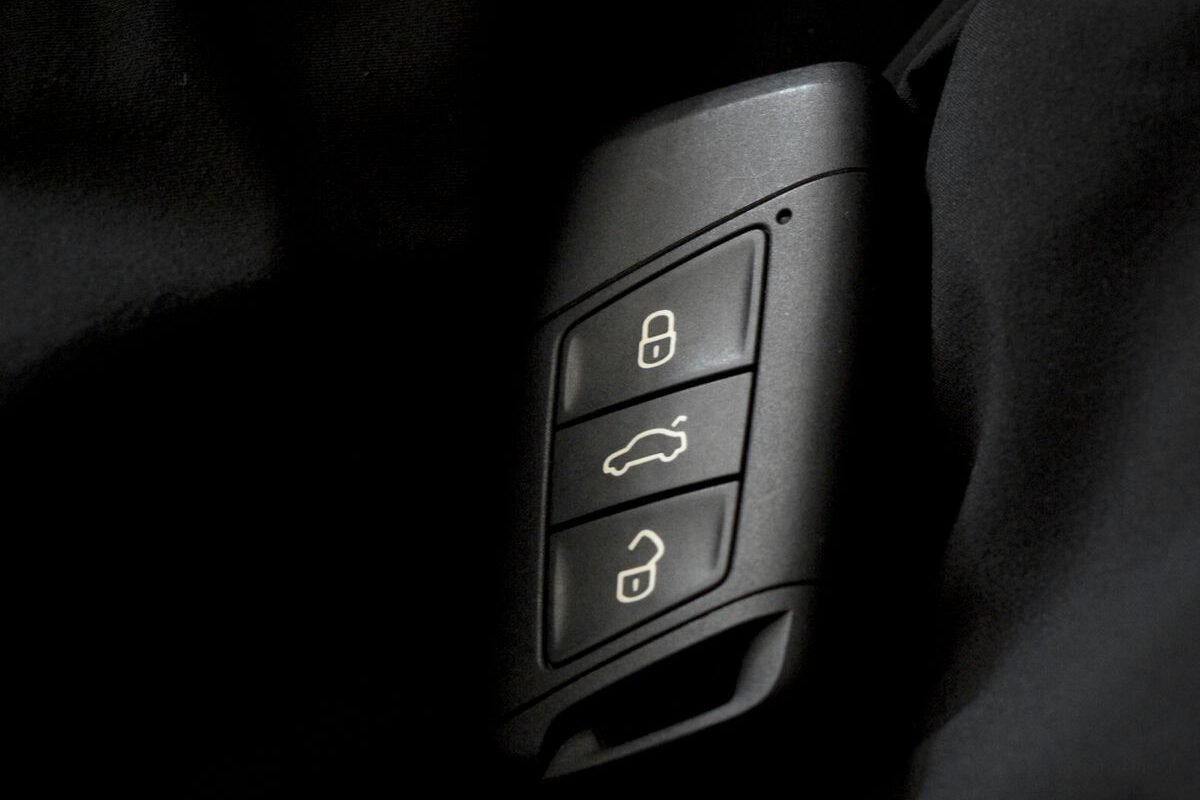
Works from the key but not the remote
Points at the remote, its battery, or the receiver rather than the actuators.
Locks then immediately unlocks
Often a door ajar switch reporting a door open, so the system releases as a safety measure. Check the switches, particularly on the sliding and rear doors.
Diagnostic sequence
1. Try the mechanical key
Check: Lock and unlock manually with the key in the barrel.
Result and next action: If the mechanism operates smoothly by key, it is not seized and you are looking at an electrical fault. If it is stiff or will not move, the mechanism itself needs attention.
2. Listen at each door
Check: With the van quiet, operate the locking and listen at each door in turn.
Result and next action: A click or buzz means the actuator is receiving power and attempting to work. Silence at one door means either no power reaching it or a dead actuator. A weak or laboured sound suggests a failing actuator motor.
3. Check the fob battery and try the spare
Check: Replace the battery, and test the second remote.
Next action: If the spare remote works, the problem is the first one. Cheap and immediate.
4. Inspect the sliding door loom
Check: Locate the flexible section, usually a rubber concertina boot between the door and the body. Open and close the door slowly while operating the locking, watching whether the fault comes and goes.
Result and next action: A fault that changes as the door moves confirms a broken conductor in the loom. Peel back the boot and inspect for green corrosion and broken strands. This is repairable by splicing in new wire, which is a great deal cheaper than a new loom.
5. Test the actuator directly
Check: With the door card off, back-probe the actuator connector and check for voltage when locking is operated.
Result and next action: Voltage present and nothing happening means the actuator has failed. No voltage means the fault is upstream in the wiring or module.
6. Check door ajar switches
Check: Whether the dashboard correctly reports each door as closed.
Next action: A switch reporting a door permanently open can prevent locking or cause it to release, and also drains the battery through the interior light. See parasitic drain testing.
Repair options
- Wiring repair. Splicing broken conductors in the flexible loom section. The most common and most cost-effective repair on a sliding door.
- Actuator replacement. Often supplied as part of a complete latch assembly on modern vans, which increases the cost.
- Lubrication and adjustment. A stiff mechanism can overload the actuator and cause it to fail. Freeing and lubricating the latch sometimes resolves a slow or failing lock.
- Module or receiver. Less common, usually requiring coding.
Indicative UK costs
Broad context only. A fob battery is trivial. A wiring repair is mostly labour and is usually the cheapest real fix. A door lock actuator or latch assembly commonly runs from around fifty pounds into the low hundreds per door, plus fitting. Central locking module faults are more expensive and may require programming. Get quotes.
Common mistakes
- Replacing the actuator when the loom is broken. The most common wasted expense on a sliding door fault.
- Not testing the mechanical key first. Instantly separates mechanical from electrical.
- Ignoring an intermittent fault. It is a security problem on a van carrying tools, and it will become permanent.
- Forcing a stiff mechanism. Burns out the actuator.
- Overlooking door ajar switches. They cause both locking faults and battery drain.
- Assuming a dead remote means a module fault. Try the spare remote first.
When to stop and get help
Get it sorted promptly rather than living with it if any door cannot be secured, particularly on a van left loaded overnight. Seek professional help if the fault is in the module, if programming is required, or if you are not comfortable removing door cards, which on some vans involves airbag-adjacent components. See our guide to van security and load area protection.
Prevention
Lubricate door latches and strikers periodically, particularly on the sliding door, which takes the most use. Do not slam the sliding door harder than necessary, as the loom fatigues with every cycle. Address stiff locks early before they burn out actuators. Keep drain holes in the door bottoms clear so water does not sit around the mechanism.
Frequently asked questions
Only my sliding door will not lock. Why?
Almost certainly the flexible wiring loom between the door and body. It flexes every time the door opens and the conductors eventually fatigue and break.
Can a broken loom be repaired rather than replaced?
Usually yes. Splicing the broken conductors is common practice and considerably cheaper than a complete loom.
Why does my locking work sometimes?
Intermittent operation is characteristic of a partially broken wire or a corroded connector making contact inconsistently.
Does a faulty lock affect my insurance?
Policies vary, but a vehicle that cannot be properly secured may affect a theft claim. Worth checking your policy wording and getting it repaired.
This guide is general information for UK van owners, not vehicle-specific repair instructions. Procedures, tolerances and component layouts vary by engine code and model year. Confirm any figures against your VIN and manufacturer workshop information, and see our Disclaimer before carrying out any work.