
 by
An immobiliser fault is frustrating precisely because everything else is fine. The engine turns over normally, there is fuel, the battery is good, and the van simply will not fire. Understanding roughly how the system works makes the difference between a cheap fix and an expensive callout.
How it works
The key contains a transponder chip. When the ignition is switched on, an aerial ring around the ignition barrel energises the chip and reads its code. If the code matches what the immobiliser expects, it authorises the engine control unit to allow fuelling and starting. If it does not, the control unit cuts fuel, injection or starting entirely.
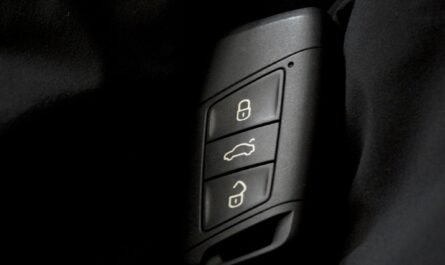
The important consequence: the transponder is a separate system from the remote locking buttons. A key that locks and unlocks the van perfectly can still fail to start it, because those are two different functions in the same plastic case. Owners frequently conclude the key must be fine because the buttons work.
Safety notes
Disconnect the battery negative terminal first and reconnect it last where a job requires isolation. Batteries give off hydrogen and can explode if ignited, so keep sparks and flames away, and wear eye protection as battery acid causes burns.
Disconnecting the battery on a modern van can lose stored settings and may require relearn procedures afterwards. Never bypass a fuse with a higher rated one or with wire, as fuses protect against fire.
Symptoms
- Engine cranks normally but will not fire, with no other apparent fault.
- Immobiliser or key symbol illuminated or flashing on the dashboard, often a padlock or key outline.
- Starts then immediately stops after a second or two, which is a very characteristic immobiliser pattern.
- Intermittent starting, working sometimes and not others, often improving if you wiggle the key or try again.
- Remote locking works but the van will not start, or the reverse.
- Complete silence at the key, on systems that inhibit cranking rather than fuelling.
Diagnostic sequence
1. Try the spare key
Check: Start the van with your other key.
Result and next action: This is the single most useful test and costs nothing. If the spare works, the problem is the first key, not the vehicle. If neither works, the fault is in the van system. Every owner should know where the spare is for exactly this reason.
2. Check the key battery, and understand what it does not affect
Check: Replace the fob battery if the remote buttons are weak or dead.
Result and next action: Worth doing, but be clear about the logic: the transponder chip is normally passive and powered by the aerial ring, so it usually works even with a completely flat fob battery. A flat battery therefore explains failing remote locking but does not usually explain a failure to start. If the buttons are dead and it also will not start, you likely have two symptoms of one deeper fault, or a coincidence.
3. Look for interference from other transponders
Check: Remove other keys and transponders from the same keyring and try again.
Next action: Genuinely a known cause. Several transponders bunched together can confuse the aerial ring. It costs nothing to separate them and try.
4. Check battery voltage
Check: Battery state of charge and terminal condition.
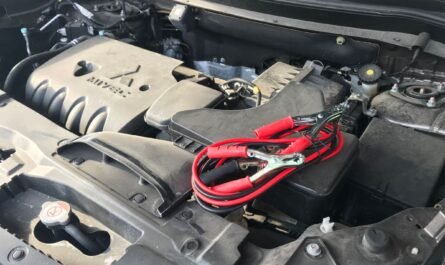
Next action: Low voltage causes immobiliser faults that look like key failures. A van cranking sluggishly may have enough power to turn the engine but not enough for the immobiliser to complete its handshake reliably. See battery and charging fault testing.
5. Read the codes
Check: Immobiliser and engine control unit codes with a capable scan tool.
Next action: Codes typically distinguish between no transponder signal, an unrecognised transponder and a communication fault between modules. That distinction determines whether you need a key, a coding job or a wiring repair.
6. Consider the aerial ring and wiring
Check: The aerial ring around the ignition barrel, and its wiring.
Next action: These fail, and the wiring is in a place that flexes with steering column movement. A failed aerial ring produces exactly the same symptoms as a failed key, which is why reading codes before buying a key is worthwhile.
Getting a key replaced
Replacement keys must be programmed to the vehicle. Options are a franchised dealer, an auto-locksmith, or in some cases a specialist. Auto-locksmiths are frequently cheaper than dealers and often come to the vehicle, which matters when the van will not start.
You will need proof of ownership and identity. Any legitimate provider will insist on this, and one that does not should be treated with suspicion.
One practical point worth acting on: if you are down to a single working key, get a spare cut and programmed now rather than waiting. Programming an additional key while you still have a working one is usually significantly cheaper and simpler than an all-keys-lost situation, which on some vans requires replacing or reprogramming modules.
Indicative UK costs
Broad context only. A fob battery is trivial. A spare key cut and programmed by an auto-locksmith commonly runs from around a hundred pounds into the low hundreds depending on the van and key type, with dealers usually more. An all-keys-lost job is considerably more. Aerial ring replacement is typically a modest part with variable labour. Get quotes, and be wary of unusually cheap offers.
Common mistakes
- Assuming the key is fine because the buttons work. Two separate functions.
- Buying a key before reading codes. The fault may be the aerial ring or wiring.
- Running with only one key. Turns a routine job into an expensive one.
- Ignoring low battery voltage. A common cause of intermittent immobiliser faults.
- Buying an unprogrammed key online expecting it to work. It needs coding to the vehicle.
- Leaving a spare key inside the van. Defeats the security the system exists to provide.
When to stop and get help
Get professional help if neither key works, if codes point at a module or communication fault, or if the van starts and immediately stops repeatedly. Do not keep cranking, as it will flatten the battery and make diagnosis harder. An auto-locksmith is usually the most practical first call for a van stranded on a driveway.
Prevention
Keep a working spare and know where it is. Replace fob batteries before they die completely. Do not carry multiple vehicle transponders on the same keyring. Keep the vehicle battery healthy. Avoid heavy keyrings hanging from the ignition, which wears the barrel over time.
Frequently asked questions
My key unlocks the van but it will not start. Is the key faulty?
Possibly. The remote and the transponder are separate functions, so one can fail while the other works. Try the spare key to confirm.
Will a flat key battery stop the van starting?
Usually not, because the transponder is powered by the aerial ring rather than the fob battery. It will stop the remote locking working.
Can I program a key myself?
A few vans allow a self-programming procedure when you already have working keys, but most require dedicated equipment. Check your handbook.
Why does it start then stop immediately?
A very characteristic immobiliser pattern: the engine is permitted to fire briefly, then fuelling is cut when the code is not accepted.
This guide is general information for UK van owners, not vehicle-specific repair instructions. Procedures, tolerances and component layouts vary by engine code and model year. Confirm any figures against your VIN and manufacturer workshop information, and see our Disclaimer before carrying out any work.