

 by
Used vans are harder to assess than used cars. They have usually worked for a living, mileages are higher, service histories are patchier, and cosmetic condition tells you far less about mechanical condition than it would on a private car. A tidy van can be tired underneath, and a scruffy one can be mechanically excellent.
This guide covers what to check yourself and, more importantly, what to check before you go and look.
Before you travel
These checks are free, take minutes, and rule out a proportion of vehicles without leaving home.
- MOT history on GOV.UK. The most useful free resource available. Enter the registration and you can see every test, every failure, every advisory and the recorded mileage at each. Read the advisories chronologically: recurring items suggest neglect, and a pattern of corrosion or suspension advisories tells you where the van is heading.
- Mileage consistency. The MOT record shows mileage at each test. Look for anything that does not progress logically.
- Vehicle tax and MOT status via the GOV.UK vehicle enquiry service.
- A paid history check. Worth the modest cost. It covers outstanding finance, insurance write-off records, stolen markers and plate changes. Outstanding finance matters particularly with vans, since many are bought on finance and the debt follows the vehicle, not the seller.
- Ask about the timing belt. Ask specifically whether it has been done, when, at what mileage, and whether there is paperwork. See our guide to timing belts and chains. If there is no evidence, budget to do it immediately.
Viewing: general condition
Always view in daylight and in dry weather if you possibly can. Rain hides paint defects and wet ground hides leaks.
- Panel gaps and paint finish. Mismatched paint, overspray on rubber seals and inconsistent gaps suggest accident repair.
- Corrosion. Check sills, wheel arches, door bottoms, the area around the rear doors and underneath. Surface rust is common on a working van; structural corrosion near mounting points is a different matter.
- Load area. Look at the floor and side lining. Heavy damage indicates hard use. Check for damp, which suggests leaks, and check the roof interior for water staining.
- Doors. Open and close every door, especially sliding and rear doors. Sliding door mechanisms are expensive and take heavy use.
- Tyres. Check tread across the full width, since uneven wear indicates alignment or suspension issues. Confirm the load rating is correct. Four mismatched budget tyres suggest a cost-focused owner.
- Wear versus stated mileage. Compare the pedal rubbers, steering wheel, driver seat bolster and gear knob against the claimed mileage. Vans do get high mileages, but the wear should be consistent with the figure.
Mechanical checks: engine bay
Insist on seeing the van started from genuinely cold. A seller who has warmed it through before you arrive may be hiding a cold-start problem. If it is already warm when you get there, arrange to come back.
- Oil. Check level and condition. Look under the filler cap: heavy emulsion is a concern, though a light residue is common on short-journey vans. A level above maximum smelling of diesel suggests fuel dilution from failed DPF regenerations, covered in our DPF regeneration guide.
- Coolant. Check level, colour and clarity. Look for oil contamination or crusty residue around hoses and the expansion tank. See coolant loss with no visible leak.
- Leaks. Look around the engine, gearbox bellhousing, turbo lines and underneath. Fresh oil is more concerning than old grime.
- Belts and hoses. Check for cracking, glazing and perishing.
- Cold start behaviour. It should start promptly without excessive cranking. Watch the exhaust: a brief puff is normal, sustained blue or white smoke once warm is not. See diesel vans using oil.
- Idle quality. Listen for uneven running or an individual knock, which can indicate injector problems.
Dashboard and electronics
Turn the ignition on and watch the warning lights before starting. They should illuminate and then extinguish once running.
Be alert to a bulb that never illuminates at all, which occasionally indicates a light that has been disabled to hide a fault. Airbag, ABS, engine management, DPF and AdBlue warnings are all worth taking seriously. See warning lights explained.
Test everything electrical: windows, central locking on all doors including the sliding and rear doors, heater on all speeds, air conditioning, wipers, washers and all exterior lights.
The test drive
Insist on a proper drive, not a lap of the block. You need at least twenty minutes including some faster road and, if possible, a hill.
- Clutch. Note the biting point and feel for slipping under load in a high gear. See clutch wear symptoms.
- Gearbox. All gears should select cleanly including reverse. Listen for whining that changes with gear.
- Flywheel. Listen for rattle at idle that changes with the clutch pedal, and a clatter on shutdown. See dual mass flywheel symptoms.
- Brakes. Should stop straight without pulling, vibration or unusual noise. Test the parking brake on a slope.
- Steering and suspension. Listen for knocks over rough surfaces. The van should track straight.
- Power delivery. Should pull cleanly without hesitation or a sudden drop into limp mode. Watch for smoke under acceleration in the mirrors.
- Temperature. Should reach normal and stay there. See overheating diagnosis.
Paperwork
- V5C registration document. Check the seller name and address match, and that the VIN matches the vehicle. Be cautious if the seller is not the registered keeper.
- Service history. Stamps, invoices or digital records. Invoices are more informative than stamps because they show what was actually done.
- Timing belt evidence. Treat as not done unless documented.
- MOT certificates and any recent repair invoices.
- Number of previous keepers and how long the current one has had it. A very short ownership period is worth asking about.
Van-specific considerations
- Ex-fleet vehicles often have high mileage but consistent servicing, which can be a better bet than a low-mileage van with no history.
- Ex-rental or ex-lease vans may have had many drivers and variable care.
- Payload and weight. Confirm the gross vehicle weight suits your needs and your driving licence entitlement, and check whether it falls into Class 7 for MOT purposes.
- Signwriting removal can leave ghosting or paint differences. Not a fault, but worth factoring into price.
- Towbars and racking should be properly fitted. Poor electrical installation causes problems including parasitic drains, covered in battery and charging faults.
- VAT status. Many used vans are sold plus VAT, which materially changes the price. Establish this before negotiating.
Get an independent inspection
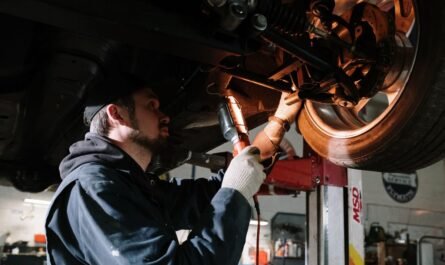
For any van representing a significant purchase, an independent pre-purchase inspection is money well spent. A technician on a ramp sees corrosion, leaks and suspension wear that are simply not visible on a driveway, and can read fault codes including stored historic ones.
A seller who refuses an independent inspection on a vehicle they claim is sound is telling you something useful.
Common mistakes
- Viewing a pre-warmed engine. Hides cold-start faults.
- Skipping the MOT history check. Free, fast and genuinely informative.
- Not checking for outstanding finance. You could lose both van and money.
- Judging by cosmetic condition. Vans are working vehicles; underneath matters more.
- Assuming the timing belt was done. No paperwork means budget for it.
- A test drive that is too short. Many faults only appear once warm.
- Forgetting VAT. Can be a substantial addition.
When to walk away
Walk away if the seller will not let you see it started from cold, refuses an independent inspection, cannot produce a V5C in their name without a convincing explanation, or if a history check shows outstanding finance or a write-off marker they did not disclose. Also walk away from evidence of coolant and oil mixing, or a dashboard where expected warning lights never illuminate. There will be another van.
Free checks before you view
Worth doing from the registration number before you travel, all free and official. Check the MOT history on GOV.UK, which shows past pass/fail results, mileage recorded at each test and any advisories — useful for spotting a mileage inconsistency or a recurring fault the seller has not mentioned. Check vehicle tax status and that the details match what the seller has told you. Neither of these checks tells you about outstanding finance, whether the vehicle has been recorded as stolen, or a previous insurance write-off; those need a paid vehicle history check, which is worth the modest cost against the price of the van.
Frequently asked questions
Is high mileage a problem on a van?
Less than on a car, particularly for motorway mileage with good service history. A well-maintained high-mileage van is often a better purchase than a neglected low-mileage one.
Should I buy from a dealer or privately?
Dealers usually cost more but you have greater legal protection under consumer law. Private sales offer less recourse, so inspection matters more.
How much should I budget after buying?
Sensible to hold something back for immediate work such as a service, tyres or a timing belt where history is unclear. Assume something will need doing.
Is a full service history essential?
Not essential, but it materially reduces risk. Where history is absent, budget for a full service, fluid changes and a timing belt, and reflect that in what you offer.



One thought on “Buying a Used Van in the UK: Mechanical Checks Before You Pay”