
 by
A van that will not start has an unusually wide range of possible causes, from a corroded battery terminal to a snapped timing belt. Structure matters more here than almost anywhere else, because the temptation is to start replacing likely-sounding parts, and that gets expensive quickly.
The single most useful question is whether the engine turns over. Everything branches from there.
Safety notes
Allow the engine to cool before working near the turbo, exhaust or manifold, as these retain heat for a long time. Never work under a van supported only by a jack. Use axle stands rated for the weight at the manufacturer support points, on firm level ground, with the parking brake applied and the wheels chocked.
Keep hands, tools, loose clothing and hair clear of belts, pulleys and cooling fans whenever the engine may run. A cooling fan can start unexpectedly. Where a check requires the engine running, plan how you will reach the ignition before you start.
Before anything else
Three checks that resolve a surprising number of no-starts and cost nothing:
- Is there fuel in it? Gauges fail, and running a common rail diesel dry introduces air that must be bled before it will restart.
- Is it in neutral, or park, with the clutch fully down? Many vans will not crank otherwise, and a failing clutch or neutral switch produces exactly this symptom.
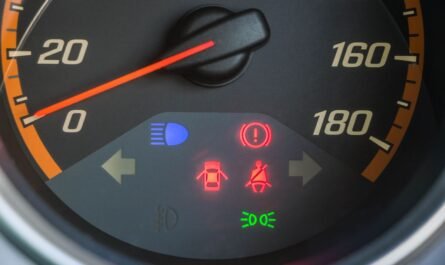
- What do the dashboard lights do with ignition on? Note which illuminate and whether any are missing. A missing glow plug light, or an immobiliser symbol staying lit, is a direct clue.
Branch A: the engine does not turn over
1. Test the battery properly
Check: Measure voltage at the terminals with a multimeter. Around 12.6 volts indicates a good state of charge; below roughly 12.4 volts suggests partial discharge. Then measure again while cranking.
Result and next action: A battery reading acceptable at rest but collapsing under cranking load has failed internally, which a resting check alone will not reveal. This is a very common cause of a van that clicks but will not turn. See our guide to battery and charging fault testing.
2. Check terminals and earth straps
Check: Remove, clean and retighten the terminals. Follow the main earth strap from battery to body and engine, inspecting both ends for corrosion.
Next action: A poor earth causes identical symptoms to a flat battery and is frequently missed. Loose or corroded connections are the most common cause in this branch.
3. Listen at the key
Check: Have someone turn the key while you listen.
- Single loud click, no rotation. Solenoid engaging but motor not turning, or a heavily discharged battery.
- Rapid clicking. Almost always insufficient current, so battery or connections.
- Complete silence. Suspect the starter circuit, relay, ignition switch, clutch or neutral switch, or the immobiliser preventing cranking.
- Cranks unusually fast and freely with an odd note. Stop immediately. This can indicate loss of compression across cylinders, which on an interference engine may mean timing failure. Do not keep cranking.
4. Voltage drop testing
Check: Measure voltage at the starter main feed while cranking, and the drop across the earth path.
Next action: Good voltage at the starter with no rotation points at the starter motor. Poor voltage at the starter with a healthy battery points at cables and connections.
Branch B: it cranks but will not fire
1. Glow plugs and cold start
Check: Does the glow plug light appear and then extinguish? On a cold engine, wait for it to go out before cranking, and try two or three preheat cycles in very cold weather.
Result and next action: If it starts readily when warm but not cold, glow plugs or the glow plug relay are prime suspects. Individual plugs can be tested for resistance and current draw.
2. Confirm fuel delivery
Check: With the ignition on, listen for the low-pressure pump priming. Check the fuel filter for contamination or water, and look for air in clear lines where fitted.
Next action: Air in the system needs bleeding by the correct procedure for your engine. Diesel waxing in severe cold also prevents starting and resolves as it warms.
3. Read rail pressure while cranking
Check: Watch actual rail pressure on a scan tool during cranking.
Result and next action: The most informative single measurement in this branch. Little or no rail pressure means the engine cannot fire regardless of anything else, pointing at fuel supply, the low-pressure pump, the high-pressure pump, or excessive injector return. Normal rail pressure with no start moves you towards position sensors, immobiliser or compression.
4. Check crank and cam position sensors
Check: Look for stored codes and confirm a signal while cranking.
Next action: The control unit needs crankshaft position to know when to inject. A failed crank sensor is a well-known cause of a van that cranks healthily and simply will not fire, often intermittently and frequently worse when hot.
5. Consider the immobiliser
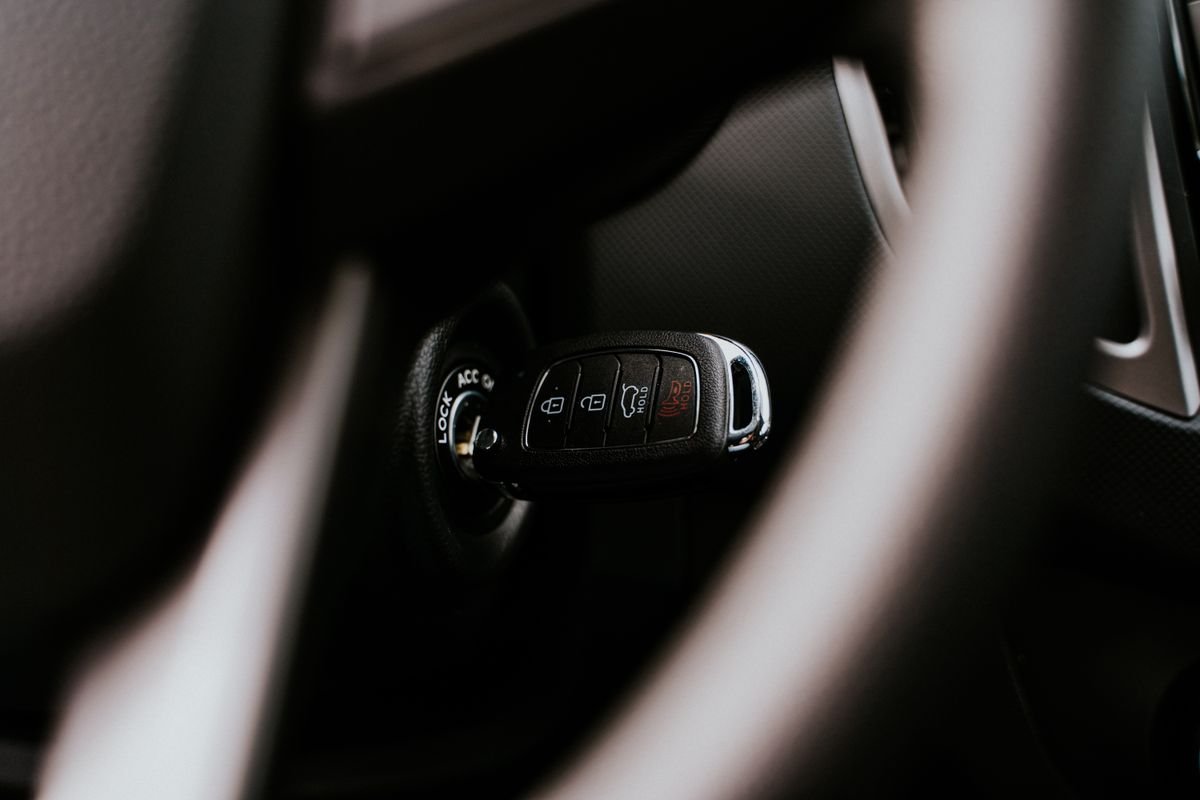
Check: Watch for an immobiliser or key symbol staying lit or flashing. Try the spare key.
Next action: If the spare works, the problem is the first key, often a flat fob battery or failed transponder. If neither works, the immobiliser system or its aerial ring needs diagnosis.
6. Assess compression
Check: If fuel, timing signals and preheating all appear correct, compression is the remaining possibility.
Next action: Low compression across all cylinders suggests timing has slipped. See our guide to timing belts and chains. This is the point to stop and get help rather than continue cranking.
Branch C: it starts then immediately stops
A distinct pattern worth separating. Common causes include the immobiliser allowing a brief start then cutting fuel, air being drawn into the fuel system, a failing fuel pressure regulator, or a crank sensor signal dropping out once running. Read fault codes immediately, since a van that runs briefly usually stores useful data.
Tools required
- Multimeter, essential for anything in Branch A.
- Scan tool with live data, particularly rail pressure and sensor signals.
- Battery load tester, or a free battery test at a motor factor.
- Basic hand tools, plus a clean container and the correct procedure if bleeding fuel.
Common mistakes
- Replacing the battery without testing it. Often correct, frequently not, and it masks a charging or parasitic drain fault that will flatten the new one too.
- Cranking repeatedly. Flattens the battery, can flood the engine, and if timing has failed causes further damage with every rotation.
- Ignoring earth straps. Cheap, common and easily overlooked.
- Trusting the fuel gauge. Check physically if there is any doubt.
- Using easy-start products. These can cause serious damage on diesels, particularly engines with glow plugs, and mask the real fault.
- Not reading codes because it will not run. Most control units store codes from failed start attempts.
Indicative UK costs
Broad context only. A van battery is typically in the low hundreds fitted. Cleaning terminals or repairing an earth strap may cost very little. Glow plugs are usually a modest part, but labour varies sharply if one seizes or snaps. A crank sensor is generally inexpensive with variable access. A starter motor is commonly a few hundred pounds fitted. Fuel pump and timing repairs are considerably more. Get quotes once the fault is identified rather than before.
When to stop and get help
Stop and call someone if the engine cranks unusually freely or the note changes suddenly, if you smell fuel strongly, if there is any sign of a fuel leak, or if you have worked both branches without a clear answer. Also stop if the battery is now flat from repeated attempts, since further cranking achieves nothing.
Prevention
Have the battery and charging system tested annually, particularly before winter when most no-starts happen. Keep terminals clean and protected. Change the fuel filter on schedule. Avoid habitually running the tank very low. Address slow or laboured starting when you first notice it, since it rarely improves on its own.
Quick reference
Difficulty: Branch A (battery, terminals, starter circuit) is within reach of a confident owner with a multimeter. Branch B (fuel, sensors, compression) increasingly needs a scan tool, and any sign of lost compression or timing means stop and get help rather than continue. Applies to: diesel vans generally; petrol no-start faults share some overlap (battery, starter, immobiliser) but the fuelling and glow plug sections are diesel-specific.
Related fault codes
A scan tool reading is worth taking even on a van that will not run at all, since most control units store data from a failed start attempt. These generic codes are commonly associated with this fault group. Treat them as a starting point rather than a diagnosis, since manufacturers also use their own additional codes outside this list, and the exact code with freeze-frame data matters more than the general description.
- P0335 / P0340 — crankshaft or camshaft position sensor circuit fault. Consistent with the Branch B sensor checks above.
- P0087 / P0088 / P0089 — fuel rail or system pressure too low, too high, or a pressure control performance fault. Points toward the rail pressure testing covered above.
- P0562 / P0563 — system voltage low or high, relevant if a marginal battery or charging fault is contributing.
- P0380 to P0384 — glow plug circuit faults, relevant to the preheating checks in Branch B.
See our guide to what a fault code actually tells you for how to use a code properly rather than replacing parts against it alone.
Post-repair checks
Once it starts, do not just drive off. Confirm the fault is actually resolved before clearing any stored codes, since clearing early can hide a return of the same fault on the next cold start. Recheck cranking and charging voltage against the ranges above. If the work involved fuel system fittings, check for leaks before driving. Idle for a few minutes watching for warning lights that take a moment to reappear, then road test gently rather than resuming full use immediately.
Frequently asked questions
Why does it only fail to start when cold?
Typically glow plugs, a weak battery whose capacity drops in low temperatures, or in severe cold, waxed diesel.
Can I jump start a modern diesel van?
Usually yes, following the handbook procedure, which often specifies particular connection points rather than direct battery terminals. Get the polarity right, as errors can damage control units expensively.
The battery is new and it still will not start.
Check earths and terminals, then establish which branch you are in. A new battery does not rule out a charging fault, a parasitic drain or a starter circuit problem.
No rail pressure at all. Is that the pump?
Possibly, but check the filter, look for air ingress and confirm the low-pressure supply first. Excessive injector return can also prevent rail pressure building.

4 thoughts on “Van Will Not Start: A Structured Diesel No-Start Diagnostic Sequence”