 by
The Ford Transit is the most common van on UK roads, which means it is also the van mechanics see most often. That does not make it a bad van. It means its weak points are well known, well documented and, in most cases, fixable before they turn into an expensive failure. This guide covers the Ford Transit common problems across the main generations you are likely to own or buy: the Mk7 (2006 to 2014), the Mk8 Transit (2014 onwards) and the Transit Custom (2012 onwards).
Use it as a starting point. Each section explains what the fault is, which engines or models it affects most, the symptoms you will notice, and what to check before spending money. The linked diagnostic guides help you work through the next check; they do not prove which component has failed on your van.
Which Transit do you have?
Knowing your generation and engine narrows down likely faults straight away. Check your V5C, the VIN plate (usually on the B-pillar or under the bonnet) or run the registration through the free DVLA vehicle enquiry service.
- Mk7 Transit (2006–2014): 2.2 TDCi on front-wheel-drive models, 2.4 TDCi and later 2.2 TDCi on rear-wheel-drive models. Timing chain engines, Euro 4 then Euro 5.
- Transit Custom (2012 onwards): 2.2 TDCi until around 2016, then the 2.0 EcoBlue. Earlier diesel Customs are front-wheel drive. The newer EcoBlue range also offers all-wheel drive with an automatic gearbox; hybrid and electric versions use different powertrains, so identify the exact variant.
- Mk8 Transit (2014 onwards): 2.2 TDCi early on, then 2.0 EcoBlue from 2016. Front, rear and all-wheel-drive options.
The engine change from 2.2 TDCi to 2.0 EcoBlue matters most, because the two engines have very different weak points.
1. 2.0 EcoBlue oil pump belt wear
The 2.0 EcoBlue uses a belt that runs inside the engine, bathed in oil, to drive the oil pump. As the belt ages, or if the wrong oil is used or services are stretched, the belt material can break down. Fragments end up in the sump and can block the oil pump pickup strainer. The result is falling oil pressure, an oil pressure warning and, in the worst cases, serious engine damage.
What to watch for: an oil pressure warning, an engine that sounds noisier than usual on start-up, or service history showing missed or overdue oil changes. If an oil pressure warning appears while the engine is running, stop safely and switch the engine off. Do not restart it to see whether the warning clears; arrange recovery and an oil-pressure investigation. Use the Ford oil specification and current service schedule for your VIN.
2. AdBlue system faults
Euro 6 Transits use AdBlue (diesel exhaust fluid) to cut NOx emissions. On many vans the AdBlue tank, pump, heater and level sender are integrated into one unit, and faults in that unit are a very common reason for a Transit to show a countdown warning such as “engine will not start in 500 miles”.
Typical causes: a failed tank heater, a failed pump, crystallised AdBlue around the dosing injector, a faulty NOx sensor, or contaminated fluid. Do not ignore the countdown. Once it reaches zero the van will not restart after it is switched off. Read our general guide to the AdBlue warning light for how the system works.
3. DPF blockages and failed regenerations
Every diesel Transit from the Euro 5 era onwards has a diesel particulate filter. Short urban journeys, stop-start delivery work and underlying faults such as leaking injectors or a sticking EGR valve all lead to the DPF filling with soot faster than it can burn off. Expect a DPF warning light, reduced power and possibly limp mode. Our guide to DPF problems on diesel vans explains regeneration in detail.
4. Injector problems on the 2.2 TDCi
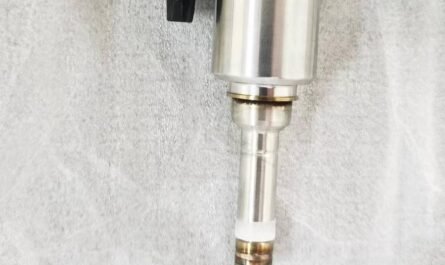
The 2.2 TDCi is generally tough, but high-mileage vans commonly suffer from leaking injector seals (the black, tar-like “black death” build-up around the injector), injectors that return too much fuel, and rough running or hard starting as a result. A correctly performed leak-off test can identify abnormal injector return flow. It is one part of diagnosis, not proof by itself that an injector must be replaced. See our guide to diesel injector testing.
5. Clutch and dual mass flywheel wear
Transits work hard, often loaded, often in traffic. Clutches and dual mass flywheels wear accordingly. The rear-wheel-drive Mk7 2.4 and the heavier Mk8 models are especially prone to DMF rattle at idle and judder when pulling away. A failing concentric slave cylinder (the hydraulic release bearing) is another common fault, showing up as a soft or sinking pedal. More detail in our dual mass flywheel guide.
6. Turbo and boost faults
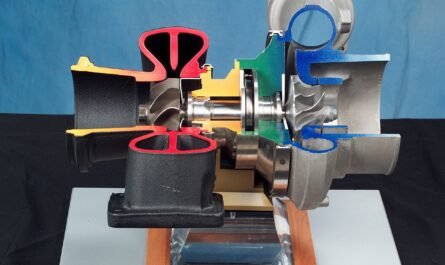
Most Transit “turbo failures” are not the turbo at all. Split intercooler hoses, a cracked intercooler, sticking variable vanes and faulty boost pressure sensors cause the same symptoms: a whistle, lack of power and an underboost code such as P0299. Check the cheap parts first.
7. EGR valve and cooler faults
Soot and oil vapour build up in the EGR valve, causing it to stick. On some engines the EGR cooler can also leak coolant internally. Unexplained coolant loss with no visible leak, white smoke or a sweet smell from the exhaust are warning signs that need investigating quickly.
8. Rust
The Mk7 in particular rusts around the wheel arches, sills, door bottoms, the rear crossmember and around the windscreen. Later vans are better protected, but stone chips on the front panel and corrosion along the door seams and sliding door runners are still worth checking. Corrosion on load-bearing structure is an MOT failure, so it is worth catching early.
9. Suspension and wheel bearings
Knocks over bumps usually point to anti-roll bar drop links, lower arm bushes or worn top mounts. A rumble that changes with speed is often a wheel bearing. Rear leaf springs on heavily loaded vans can sag or crack. These are routine wear items on a working van rather than design faults.
10. Electrical and battery faults
Modern Transits use a battery monitoring sensor and smart charging. Fitting the wrong type of battery, or not resetting the system after replacing one, can cause poor starting, stop-start not working and random warning lights. Water ingress into connectors and aftermarket accessories wired in badly cause plenty of intermittent faults too.
What to check first if your Transit has a problem
- Read the fault codes. A decent scan tool that reads all modules, not just the engine, saves time and guesswork.
- Check service history. On an EcoBlue especially, missed oil changes change the picture completely.
- Check for recalls and service campaigns. A Ford dealer can run your VIN for outstanding campaigns, and the GOV.UK vehicle recall checker is free to use.
- Start with the cheap, likely causes. Hoses, sensors, connectors and fluid levels before turbos, injectors and DPFs.
Frequently asked questions
Is the Ford Transit a reliable van?
Yes, for the most part. Its common faults are well understood, parts are widely available and almost every garage knows the van. Reliability depends heavily on servicing, especially on the 2.0 EcoBlue.
Which Transit engine is the most reliable?
The 2.2 TDCi has a reputation for being durable and simple to work on, though it has its own injector and DMF issues. The 2.0 EcoBlue is more economical and cleaner but is less forgiving of poor servicing because of its oil pump belt.
Can I drive a Transit with the AdBlue countdown showing?
A countdown is a warning of a possible restart restriction, not a guarantee the van is safe to drive. Follow the dashboard message and owner manual, arrange diagnosis promptly, and do not plan to use the remaining mileage as a repair deadline. Stop safely if a red warning or unsafe running accompanies it.
This guide is general information for van owners. Always follow Ford’s workshop information for your exact model and engine, and use a qualified mechanic for safety-critical work.
Choose the next diagnostic guide
- No-start diagnostic sequence
- Turbo and boost fault checks
- EGR valve and cooler diagnosis
- Battery and charging tests
- Corrosion checks before buying
Official vehicle information
- Ford UK: current Transit Custom powertrains and AWD availability
- Ford UK: servicing and oil-change guidance
- GOV.UK: check vehicle recalls
Current range information does not describe every older Transit. Match the VIN, engine code, build date and drivetrain before applying a model-specific statement.