 by
A catalytic converter rarely fails on its own. It is a passive component with no moving parts, and in normal service it should last a very long time. When one fails, the useful question is almost always what damaged it, because fitting a replacement into the same conditions produces the same result.
What it does
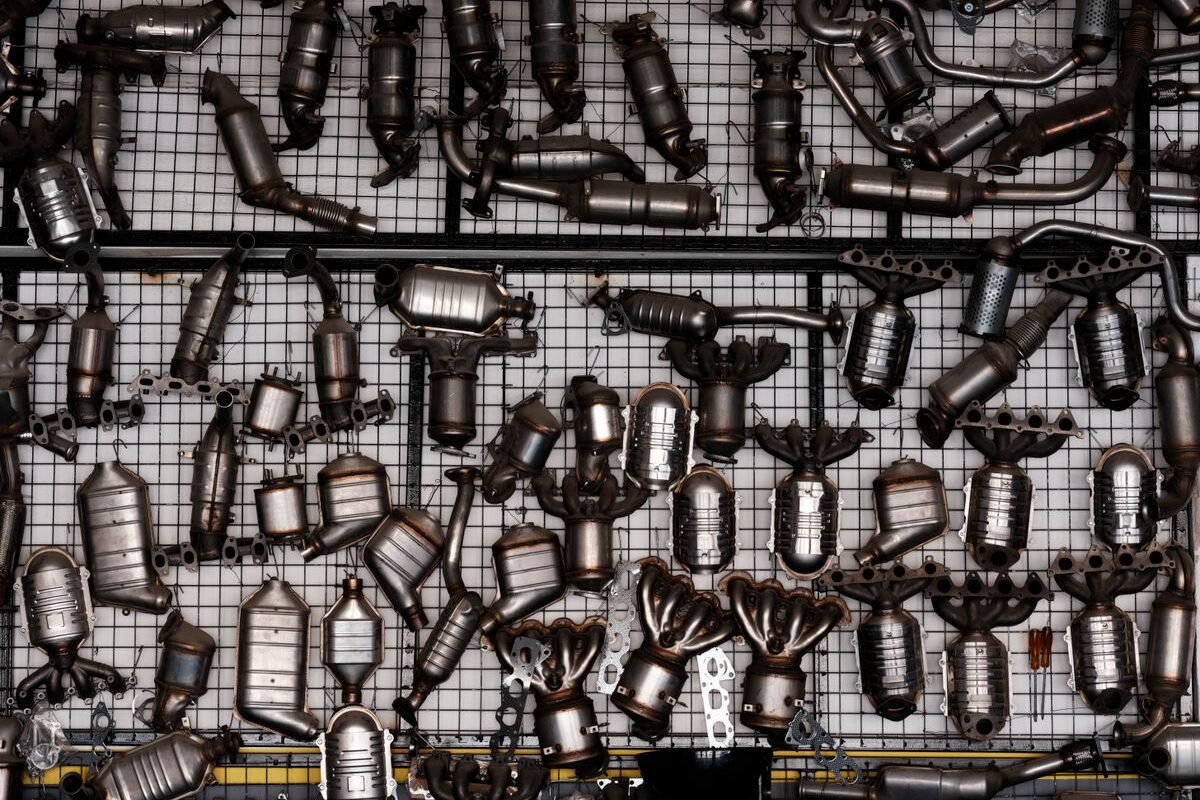
The catalyst uses precious metals to convert harmful exhaust gases into less harmful ones. On a diesel van it works alongside the DPF and, on Euro 6 vehicles, the SCR system. The three are separate components doing different jobs, though they often share a single assembly, which matters for the repair cost.
Safety and legal notes
Exhaust and emissions components run extremely hot and stay hot long after the engine is switched off. Allow ample cooling time before working near them.
Removing, gutting or disabling emissions equipment fitted as original equipment is an MOT failure in the UK and can make the van illegal to use on a public road. It may also affect your insurance. Faults should be repaired, not deleted. Nothing in this guide should be read as encouragement to tamper with emissions equipment.
Symptoms
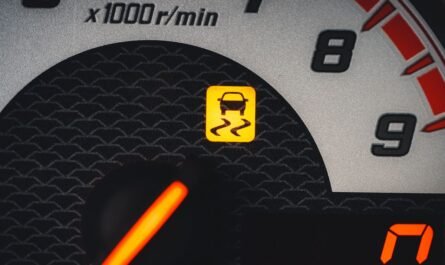
- Engine management light with catalyst efficiency codes.
- Reduced power, particularly at higher engine speeds, where a partially blocked catalyst restricts exhaust flow.
- A rattle from underneath that changes with engine speed or over bumps, indicating the internal substrate has broken up.
- A sulphurous or rotten egg smell.
- Poor fuel economy.
- Failed MOT emissions test.
- Excessive heat from the exhaust area, or in extreme cases a glowing converter, which indicates severe restriction and is a fire risk.
What actually kills a catalyst
This is the part that determines whether a replacement will last.
- Contamination from engine oil or coolant. Oil burning past worn rings, valve stem seals or turbo seals coats the catalyst and poisons it. Coolant from a head gasket or EGR cooler leak does similar damage. See diesel van using oil.
- Unburned fuel reaching the exhaust from a misfire or leaking injector, which can overheat the catalyst and melt the substrate. See diesel injector problems.
- Thermal shock, such as driving a very hot exhaust through deep standing water, which can crack the substrate.
- Physical impact from a speed bump, kerb or road debris.
- Wrong fuel or fuel additives not compatible with catalytic systems.
- Age and mileage, genuinely, on a very high-mileage vehicle.
Notice how many of these are upstream engine faults. That is the point: a catalyst is often the messenger.
Diagnostic sequence
1. Read the codes and take them literally
Check: Catalyst efficiency codes usually mean the control unit has compared sensor readings either side and concluded the catalyst is not converting as expected.
Next action: That is a conclusion about performance, not proof the catalyst is physically damaged. Faulty sensors, exhaust leaks and engine faults all produce the same code. See what a fault code actually tells you.
2. Check for exhaust leaks
Check: Inspect joints, flexi sections and the manifold for leaks, particularly before the sensors.
Result and next action: A leak upstream of a sensor lets air in and skews readings, producing efficiency codes with a perfectly good catalyst. Cheap to fix and commonly missed. See exhaust leaks and flexi failure.
3. Test for restriction
Check: Exhaust back pressure can be measured, often through a sensor port. Alternatively, symptoms of severe restriction include the engine struggling to rev freely and losing power progressively as it warms.
Next action: High back pressure confirms a blockage, though on a diesel van you must establish whether it is the catalyst or the DPF, since they sit in the same area. See DPF warning light.
4. Tap test for internal damage
Check: With the exhaust cold, tap the converter body gently with a rubber mallet.
Result and next action: A rattle indicates the substrate has broken up. That is conclusive and means replacement.
5. Investigate upstream causes before replacing
Check: Oil consumption, coolant loss, injector condition, turbo seals and any misfire.
Next action: This is the step that determines whether the new catalyst survives. If the van is burning oil, fix that first.
Replacement notes
Two things to establish before buying. First, on many modern diesel vans the catalyst is integrated with the DPF in a single assembly, so replacing one means replacing both, which changes the cost substantially. Second, any replacement must be the correct type for your vehicle and emissions standard. A converter that does not meet the required specification can cause an MOT failure and further fault codes.
Be cautious with very cheap aftermarket units, which sometimes contain less catalyst material than required and fail the emissions test or set efficiency codes shortly after fitting.
Catalytic converter theft
Worth covering because it is a common way van owners encounter this component.
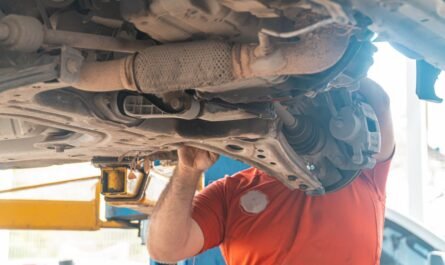
Converters contain valuable precious metals and can be cut out quickly from underneath. A van with reasonable ground clearance is an easier target than a low car. If yours is stolen you will know immediately, because the van becomes extremely loud and is not realistically driveable.
Worth noting separately: emissions zone compliance depends on your van certified Euro standard rather than the condition of individual components, so a failed or stolen catalyst does not change what you pay to enter a charging zone. See ULEZ and clean air zones.
Practical measures: park so the underside is inaccessible, such as against a wall or in a garage; park in well-lit, overlooked areas; consider a protective cage or clamp designed for your vehicle; and have the converter marked and registered, which both deters theft and assists recovery. See van security.
If it happens, report it to the police for a crime reference and notify your insurer. Do not drive the van, as an open exhaust is loud enough to be an offence and exhaust gases can enter the cab.
Indicative UK costs
Broad context only. A standalone catalytic converter commonly runs from around two hundred pounds into the high hundreds. Where it is integrated with the DPF, the assembly frequently exceeds a thousand pounds, particularly for original equipment parts. Protective cages are typically in the low hundreds. Get quotes and ask specifically whether your van has a combined unit.
Common mistakes
- Replacing on an efficiency code alone. Sensors and exhaust leaks produce the same code.
- Not fixing the upstream cause. Guarantees the new one fails too.
- Buying a very cheap replacement. May not meet the required emissions standard.
- Confusing catalyst and DPF symptoms. They sit together and both restrict flow.
- Ignoring a rattle. Broken substrate can migrate and cause further restriction.
- Removing it rather than replacing it. An MOT failure and illegal for road use.
When to stop and get help
Stop driving if the converter is glowing, if there is a strong smell of exhaust in the cab, or if the van has lost power severely with signs of blockage, since a fully blocked exhaust can damage the engine. Get help if codes point at catalyst efficiency, so the underlying cause can be identified before you spend on a replacement.
Prevention
Fix oil consumption, coolant leaks and misfires promptly, since these are what poison catalysts. Service on schedule. Avoid driving a hot exhaust through deep standing water. Use the correct fuel and avoid additives not compatible with catalytic systems. Take sensible security measures against theft.
Frequently asked questions
Can I drive with a failed catalytic converter?
If it is blocked, not for long, because back pressure affects the engine. If it has simply become inefficient, the van may drive normally but will fail an MOT.
Do cleaning additives work?
They may help mild contamination, but they cannot repair a melted or broken substrate, and they do not address the upstream cause.
Is the catalyst the same as the DPF?
No, they are different components doing different jobs, though on many diesel vans they are combined into one assembly, which affects replacement cost.
How do I protect against theft?
Park so the underside is hard to reach, use well-lit overlooked spaces, and consider a cage or clamp plus marking and registering the unit.
This guide is general information for UK van owners, not vehicle-specific repair instructions. Procedures, tolerances and component layouts vary by engine code and model year. Confirm any figures against your VIN and manufacturer workshop information, and see our Disclaimer before carrying out any work.