 by
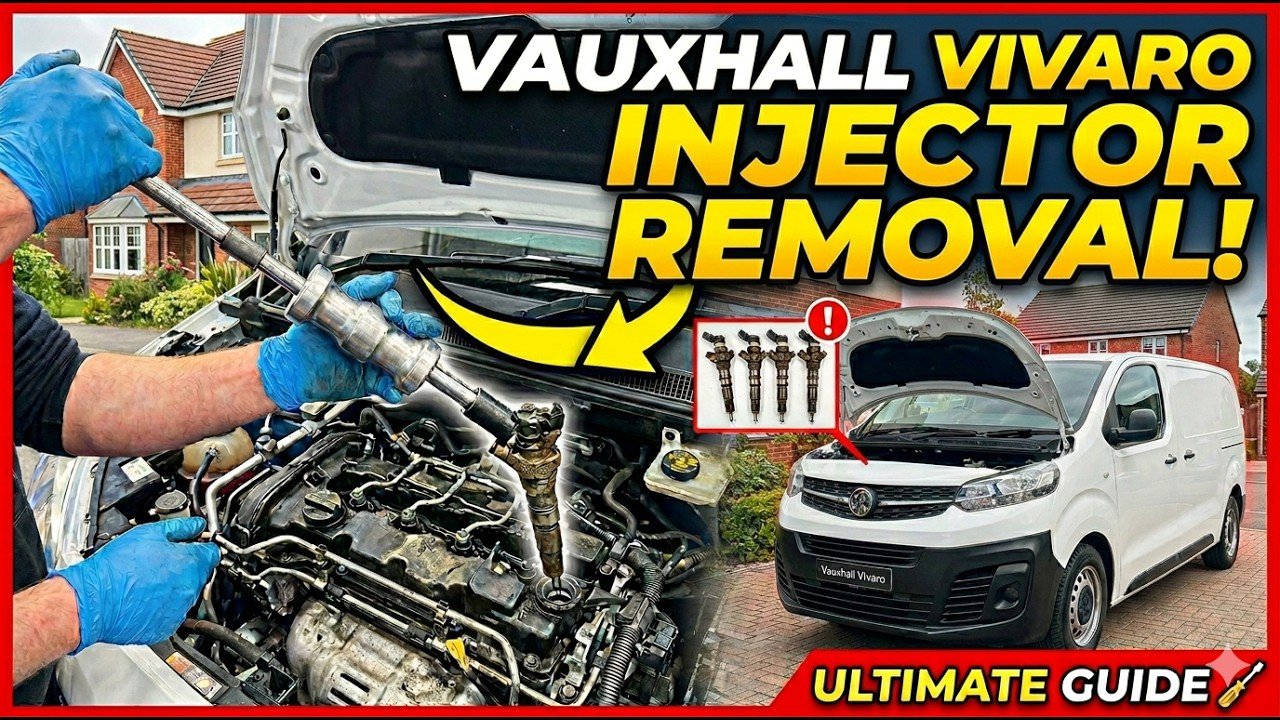
Faulty injectors on the 1.5 DV5 diesel engine can cause anything from a rough idle to hard starting and heavy fuel consumption, and getting them out cleanly — without damaging the cylinder head or seized clamps — is most of the battle. We filmed a full injector removal on a Vauxhall Vivaro 1.5 DV5, and this article walks through the process alongside the video.
Watch the full removal on our Vans Guru YouTube channel — subscribe there for new video walkthroughs as we film them.
Applies to
This is the 1.5-litre DV5 diesel, part of the BlueHDi / Turbo D family shared across several Stellantis-platform vans. The process in the video applies to:
- Vauxhall / Opel Vivaro 1.5 (2019–2026)
- Vauxhall / Opel Combo 1.5 (2018–2026)
- Peugeot Expert 1.5 BlueHDi (2018–2026)
- Peugeot Partner 1.5 BlueHDi
- Citroën Dispatch 1.5 BlueHDi (2018–2026)
- Citroën Berlingo 1.5 BlueHDi
- Toyota Proace 1.5D (2018–2026)
- Fiat Scudo 1.5 (2022–2026)
Confirm your exact engine code before starting — see our guide to reading fault codes properly if you want to rule other causes out first.
Signs your injectors may need attention
On the 1.5 DV5, injector problems commonly show up as a rough or shaking idle, a noticeable loss of power and poor acceleration, black or white smoke from the exhaust, hard starting from cold, increased fuel consumption, a diesel smell in the cabin, or an engine warning light. Fuel leaks or weeping visible around an injector are a more direct sign. None of these are exclusive to injectors — poor fuel quality, glow plug faults and other issues can look similar — so it’s worth confirming the cause before you commit to removing them. Our guide to glow plug faults and testing covers a common overlapping cause of hard cold starts.
What the job involves
In the video we remove the injectors from a 1.5 DV5 engine end to end. Broadly, that means:
- Disconnecting the battery before starting any fuel system work
- Releasing fuel system pressure safely before disconnecting any lines
- Removing the engine cover and whatever sits above the injectors — wiring looms, fuel rail and associated brackets
- Disconnecting the injector wiring and high-pressure fuel lines, keeping every port capped immediately to stop dirt getting into the fuel system
- Releasing the injector clamp bolts
- Freeing and withdrawing each injector, using a puller or slide hammer where one has seized in the bore
- Inspecting and cleaning the injector seats and bores before anything goes back in
We deliberately don’t publish exact torque figures for the clamp bolts or fuel line fittings in writing here, because they vary by engine revision — the video shows the process we used on this engine, and you should cross-check torque values against manufacturer workshop information for your specific van before reassembly.
Tools you’ll need
A socket set, Torx bits, an injector puller or slide hammer for seized injectors, a 17mm spanner, brake cleaner, and clean lint-free rags for keeping the fuel system free of contamination while it’s open.
Safety notes
Disconnect the battery before starting any fuel system work. Diesel fuel systems on this engine run at very high pressure — never work on fuel lines with the engine running or immediately after it’s been running, and follow the correct depressurisation sequence before disconnecting anything. Diesel is a fire and slip hazard; clean up spills immediately. Cap every open fuel line and injector port the moment it’s disconnected — even small amounts of dirt entering a high-pressure diesel fuel system can damage the injection pump or injectors.
Common mistakes
- Not depressurising the fuel system first. High-pressure diesel escaping under pressure can cause serious injury.
- Leaving ports uncapped. Dirt ingress into a common-rail diesel fuel system is one of the most expensive mistakes possible on this job — it can take out the injection pump as well as the injectors.
- Forcing a seized injector. Levering an injector out without the correct puller risks cracking the injector or damaging the bore in the cylinder head. Use a proper puller or slide hammer.
- Mixing up injector positions. On some engines injectors are coded to specific cylinders. Keep them in order and check whether yours need re-coding to the ECU after fitting replacements or reinstalling the originals.
When to stop and get help
If an injector is badly seized, if you don’t have a proper puller, or if you’re not confident safely depressurising a high-pressure diesel fuel system, this is a job worth paying a garage for. A snapped or cracked injector stuck in the cylinder head turns a straightforward job into a much more expensive one.
After the repair
Once refitted, check every fuel line connection for weeping or leaks before starting the engine, and check again after the engine has run and warmed up. If injectors have been replaced or refitted, some ECUs need the injector coding updated using diagnostic equipment — check whether this applies to your van before considering the job finished. Watch for any warning lights or rough running on the first few drives.
Frequently asked questions
Can I clean injectors instead of replacing them?
Ultrasonic cleaning can restore some injectors, particularly where the fault is contamination rather than internal wear, but a badly worn or leaking injector usually needs replacing rather than cleaning. Testing on proper equipment is the only reliable way to tell which situation you’re in.
Do injectors need to be coded to the ECU after replacement?
On many common-rail diesels, yes — each injector has calibration data that needs entering into the ECU for it to run correctly. Check whether this applies to your specific engine and van before assuming the job is finished once the injector is physically fitted.
Why is diesel smell in the cabin a sign of an injector problem?
A weeping injector or leaking fuel line under the bonnet can let diesel vapour into the cabin ventilation system. It’s also a fire risk, so it’s worth investigating promptly rather than living with it.