 by
Diesel engines are noisy by design. Combustion happens through rapid compression ignition, which produces the characteristic clatter, and a healthy engine can sound alarming to someone used to petrol. That makes it genuinely difficult for an owner to know whether a noise is normal, developing or serious.
The useful approach is not to try to identify the noise from its sound alone, which is unreliable, but to characterise when it happens and what it changes with. That narrows the field far more effectively.
Three questions that place most noises
- Does it change with engine speed or with road speed? Engine speed points at the engine or its ancillaries. Road speed points at wheels, bearings, tyres or driveline.
- Does it change with load? A noise that appears under acceleration and disappears when you lift off behaves very differently from one that is constant.
- Does it change with temperature? Present only when cold, only when hot, or always?
Safety notes
Allow the engine to cool before working near the exhaust, turbo or manifold, as these retain heat long after the engine is switched off. Never work under a van supported only by a jack; use rated axle stands on firm level ground with the wheels chocked.
Keep hands, tools and loose clothing clear of belts, pulleys and cooling fans whenever the engine may run. A cooling fan can start without warning.
Noises that are usually normal
- General clatter at idle, particularly when cold, settling as the engine warms.
- Injector ticking, a light rapid tick that follows engine speed. Common rail injectors are audible by nature.
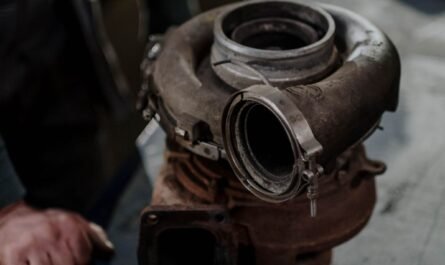
- Turbo whistle under acceleration, provided it is consistent and not accompanied by a loss of power.
- Fuel pump whine that is steady and has always been there.
- A brief rattle on start-up lasting a fraction of a second while oil pressure builds. If it lasts longer, see below.
The key with all of these is that they are consistent and unchanged. A noise your van has always made is far less concerning than one that has appeared or is getting worse.
Noises that need investigating
Rattle for several seconds on start-up
Points at oil pressure taking too long to build, a worn timing chain tensioner, or a stretched chain. On a chain engine this is a well-known warning sign that should not be monitored indefinitely. See timing belts and chains.
Knock that appears under load and eases on lift-off
Could be an injector fault causing rough combustion in one cylinder, or in more serious cases bearing wear. If it is load-dependent and getting worse, treat it seriously.
Rattle from the intake manifold area
Potentially a loose swirl flap, which is a serious scenario because a flap that breaks free can enter the engine. See swirl flap problems.
Rattle at idle that changes when you press the clutch
Characteristic of dual mass flywheel wear rather than the engine itself. See dual mass flywheel symptoms.
Deep knocking that follows engine speed and worsens when hot
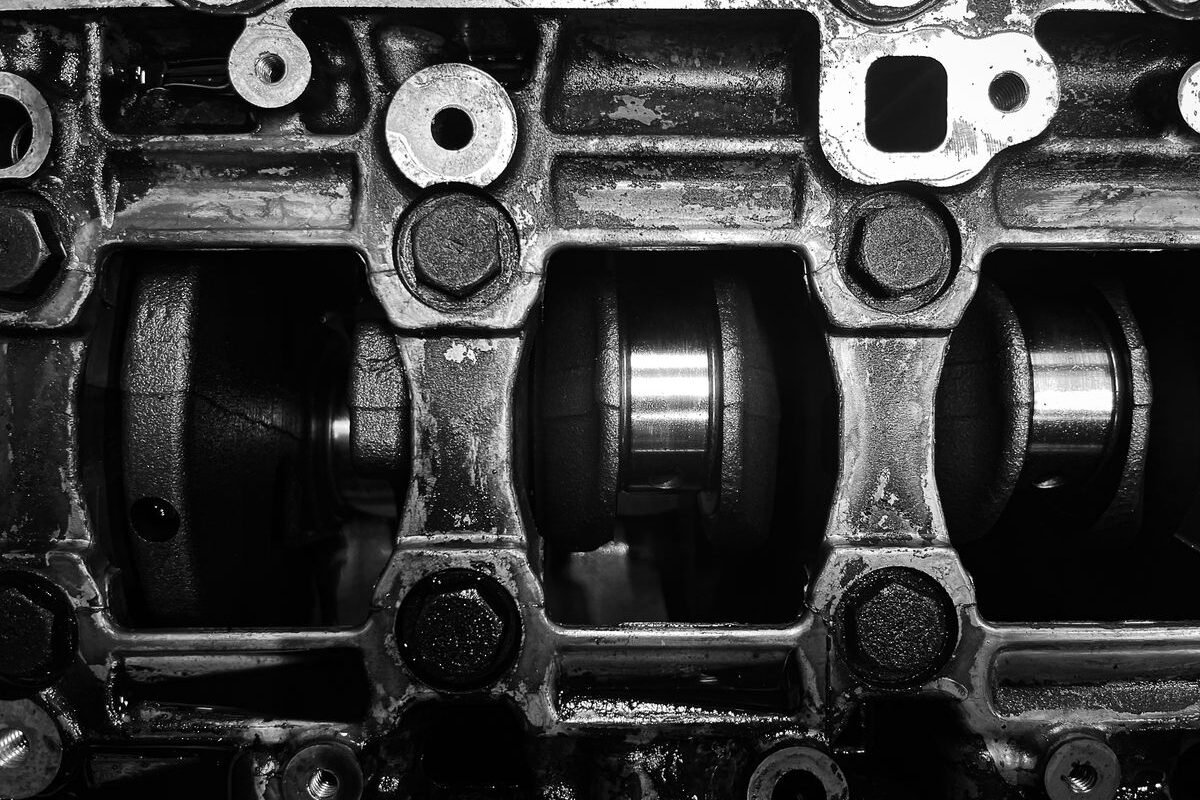
This is the one to take most seriously. A deep, heavy knock from low in the engine, present with the engine running regardless of gear, worsening as oil thins with heat, can indicate bearing wear. Continued running risks catastrophic failure.
Ticking from the top of the engine
Valvetrain noise, potentially a hydraulic lifter, valve clearance, or oil supply. Often more noticeable cold and reducing when warm.
Squealing or chirping that changes with engine speed
Usually the auxiliary belt, its tensioner or an ancillary bearing rather than the engine. See auxiliary belt and tensioner faults.
Clunk on drive take-up
Engine or gearbox mounts, driveshafts, or gearbox rather than combustion. See engine mount failure.
Diagnostic sequence
1. Characterise it before anything else
Check: Note when it started, whether it changes with engine or road speed, whether load and temperature affect it, and whether it changes in neutral.
Next action: This narrows the field more than any amount of listening. Write it down before going to a garage, because it saves diagnostic time and therefore money.
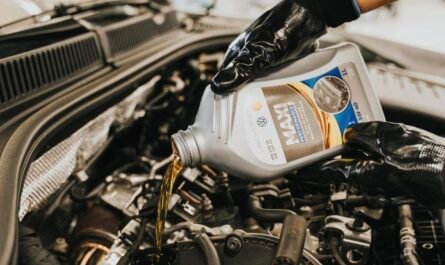
2. Check the oil
Check: Level, condition, and whether it smells of diesel. Look for metal particles on the dipstick or in the filter.
Result and next action: Low oil or badly diluted oil is a genuine cause of engine noise and of bearing damage. Metal particles are a stop-now finding. See diesel van using oil.
3. Isolate with a stethoscope
Check: A mechanic stethoscope, or a long screwdriver with the handle against your ear, placed on different parts of the engine and its ancillaries.
Next action: This distinguishes an ancillary bearing from something internal surprisingly effectively. Keep well clear of belts and fans.
4. Test with the belt removed, briefly
Check: If you suspect an ancillary, running the engine very briefly with the auxiliary belt removed will tell you whether the noise is belt-driven.
Next action: Only for a few seconds, and only where the water pump is not driven by that belt, since running without coolant circulation causes rapid overheating. Check which components your belt drives first.
5. Read fault codes and live data
Check: Cylinder contribution values, injector corrections, and any stored codes.
Next action: A cylinder with a large correction value alongside a knock points at an injector.
When to stop driving immediately
Stop and arrange recovery rather than driving on if you have any of these:
- A deep, heavy knocking that follows engine speed, particularly if it worsens when hot.
- Any noise accompanied by the oil pressure warning light.
- Metal particles found in the oil or on the filter.
- A sudden loud noise that was not there before.
- Rattling from the intake manifold, given the swirl flap risk.
- A noise accompanied by a sudden loss of power or a change in how the engine runs.
The reasoning is simple: most engine noises get more expensive the longer they run, and bearing failure in particular can destroy an engine within a short distance.
Indicative UK costs
Broad context only. Diagnosis by a competent technician is usually an hour or two and is money well spent here, given the range of possible causes. An auxiliary belt or tensioner is modest. Injector work runs into the hundreds. Timing chain replacement is substantial. Bearing damage generally means engine overhaul or replacement, at which point the van value becomes the deciding factor. Get quotes.
Common mistakes
- Assuming all diesel noise is normal. Some is; a change is not.
- Assuming all diesel noise is serious. Injector tick and cold clatter are normal.
- Using thicker oil to quieten it. Masks the symptom, does not fix the cause, and using oil outside specification causes its own problems.
- Continuing to drive a deep knock. The most expensive mistake here.
- Not noting the circumstances. A vague description costs diagnostic time.
- Ignoring the oil pressure light for even a short distance. Bearing damage happens quickly.
Prevention
Change the oil on schedule with the correct specification, since oil quality directly affects engine noise and bearing life. Check the level regularly. Address short-journey fuel dilution. Fix injector faults promptly, as poor combustion is hard on the engine. Investigate new noises early, when the answer is usually cheap.
Frequently asked questions
My diesel is noisy when cold but quiet when warm. Normal?
Generally yes. Cold diesels clatter more, and it should settle as the engine warms. A noise that persists or worsens when hot is different.
Will thicker oil quieten my engine?
It may mask noise temporarily, but using oil outside the manufacturer specification can cause problems with variable valve timing, DPF ash loading and cold-start protection. Use what is specified.
How do I know if it is the engine or an ancillary?
A stethoscope is the practical answer, or briefly running without the auxiliary belt where safe to do so. Ancillary noises are far more common and far cheaper.
It only rattles for a second on start-up. Is that fine?
A very brief rattle while oil pressure builds is common. Several seconds of rattling on a chain-driven engine is a warning sign worth investigating.
This guide is general information for UK van owners, not vehicle-specific repair instructions. Procedures, tolerances and component layouts vary by engine code and model year. Confirm any figures against your VIN and manufacturer workshop information, and see our Disclaimer before carrying out any work.