 by
Misfuelling happens to careful people, usually when tired, in a hurry, or driving an unfamiliar vehicle. What determines the cost is not the mistake itself but what happens in the next few minutes. There is essentially one decision that matters, and this guide exists to make sure you get it right.
The one thing that matters
Do not start the engine. Do not put the key in the ignition or press the start button.
On many modern vans, switching the ignition on runs the fuel pump even before cranking, which begins drawing the contaminated fuel through the system. If the van is still at the pump, do not move it under its own power. Put it in neutral, apply the parking brake, and push it clear if it is safe to do so, or have it recovered.
If the engine has not run, the contamination is usually confined to the tank and the supply lines. That is a drain and flush. If the engine has run, contaminated fuel has been through the high-pressure pump, the rail and the injectors, and the job becomes far larger.
Critical safety warning
Common rail diesel systems operate at pressures high enough that escaping fuel can penetrate skin and cause a life-threatening injury that may look minor at first. This is a medical emergency requiring immediate hospital treatment.
Never slacken a high-pressure line with the engine running or the system pressurised, and never place any part of your body in line with a potential leak. Diesel is a fire risk on a hot engine, and cleanliness is critical because small amounts of dirt entering a common rail system cause expensive damage. If you are not trained in high-pressure diesel systems, this is a job for a specialist.
Why petrol in diesel is so damaging
Diesel is an oil and lubricates the high-pressure pump, which relies on the fuel itself for lubrication of its precision internal surfaces. Petrol is a solvent and does the opposite: it reduces the lubricity of the fuel and strips the film those surfaces depend on.
Even a modest proportion of petrol measurably reduces lubricity. The pump begins wearing immediately, and as it wears it can shed fine metal particles into the high-pressure side, which are then carried into the rail and injectors. That is why misfuelling repairs sometimes involve replacing far more than the fuel.
What to do, in order
- Do not start the engine. Repeated because it is the whole game.
- Tell the forecourt staff. They deal with this regularly, may have procedures, and can help you move the vehicle safely.
- Move the van by pushing if it is safe and practical, or arrange recovery.
- Call a fuel drain specialist or your breakdown provider. Mobile fuel drain services exist across the UK and can usually attend on site.
- Keep your receipt. It establishes what was put in and how much, which matters for insurance and for the drain company.
- Tell them how much was added and whether the engine ran, since this determines the procedure.
If the engine has already run
Do not panic, but stop driving immediately and switch off. Every further mile circulates contaminated fuel through the high-pressure components. Have it recovered rather than driving it to a garage.
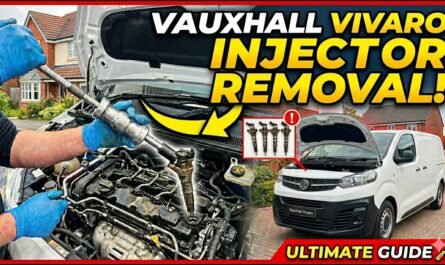
Expect the work to involve draining and flushing the tank and lines, replacing the fuel filter, and an assessment of the high-pressure pump and injectors. If metal debris is found in the system, replacing the contaminated components becomes necessary, because debris left in place destroys whatever is fitted next. See diesel fuel pump failure.
A small amount of petrol in a large amount of diesel, in a van that was never started, is a very different situation from a full tank of petrol in a van driven ten miles. Be honest with whoever is doing the work about exactly what happened, because guessing conservatively costs you money and guessing optimistically costs you an engine.
Diesel in a petrol vehicle
Less common on a van fleet but worth covering. It is generally less catastrophic, because diesel does not strip lubrication in the same way. The engine typically will not run properly, produces heavy smoke and misfires. The same rule applies: do not start it, and have it drained.
Other contamination
Water
Covered fully in our guide to fuel filters and water in diesel. Water removes lubrication in a similar way to petrol, though usually more gradually.
Dirty or poor quality fuel
Particulates from a contaminated forecourt tank, or from sediment drawn up when running a van very low. Symptoms are a rapidly blocking filter, rough running and loss of power. If several vehicles report problems after using the same station, that is a strong signal.
Diesel bug
Microbial growth at the interface between water and diesel in a tank, more common in vehicles that stand for long periods or in bulk storage. It produces a dark sludge that blocks filters rapidly. Treatment involves a biocide and cleaning the tank, and prevention means keeping water out in the first place.
Insurance and cost
Many UK comprehensive motor policies cover misfuelling, sometimes as standard and sometimes as an add-on, though excesses and limits apply and some policies exclude consequential damage. It is worth checking your policy wording before assuming either way, and worth checking before you authorise expensive work.
Indicative costs, broad context only: a mobile fuel drain where the engine was never started commonly runs in the low-to-mid hundreds. Where the engine has run and components need replacing, costs escalate quickly into four figures. The gap between those two outcomes is the reason for the advice at the top of this article.
Common mistakes
- Starting the engine to move the van. The single most expensive mistake available.
- Switching the ignition on to check something. On many vans this primes the pump.
- Adding diesel on top and hoping to dilute it. Reduces the proportion but does not remove the problem, and encourages people to drive.
- Driving a short distance because it seems fine. Damage is cumulative and not immediately obvious.
- Not being honest about how far it was driven. Leads to inadequate remedial work.
- Discarding the receipt. Useful evidence for insurance and for the drain company.
When to stop and get help
Immediately, in every case. This is not a DIY job: draining a fuel tank involves large volumes of flammable liquid, and disposal is regulated. Call a specialist or your breakdown provider. If the engine has run, insist on a proper assessment of the high-pressure components rather than just a drain and refill.
Prevention
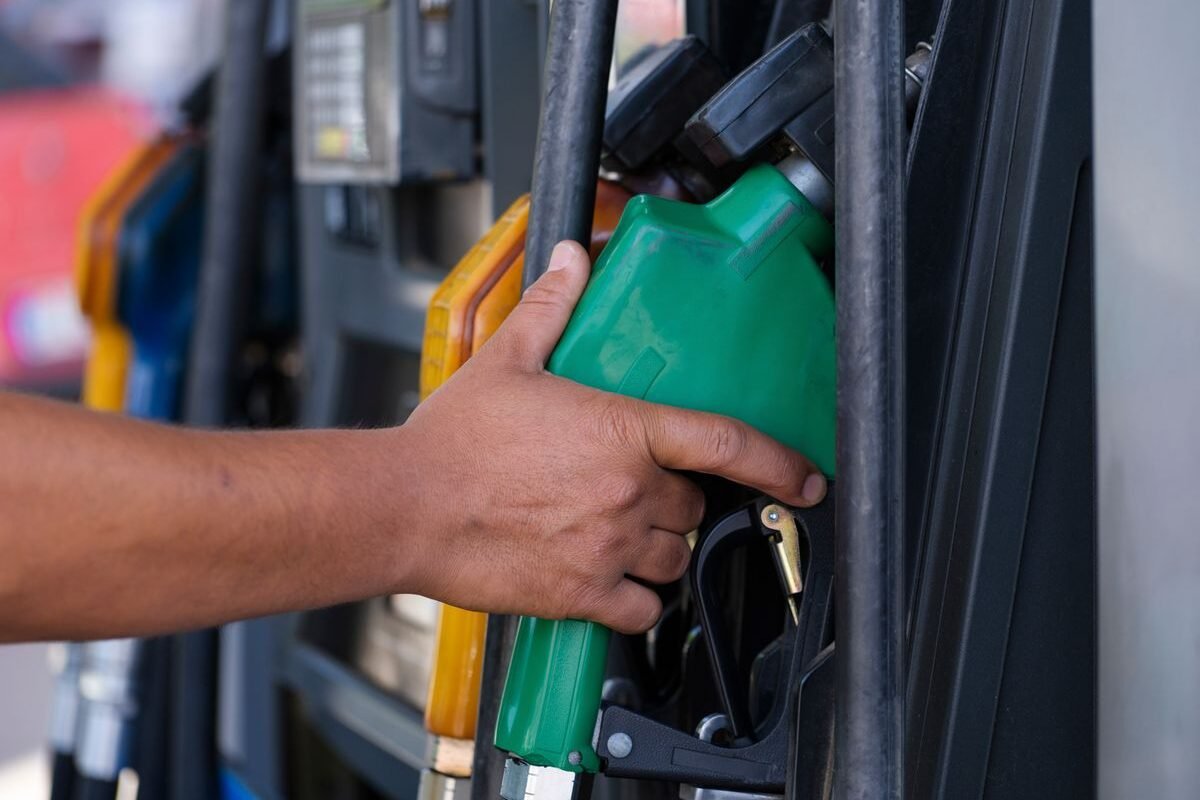
Pause before lifting the nozzle, particularly when tired or driving an unfamiliar vehicle. Diesel nozzles are typically larger and often black, though colour conventions vary between forecourts. Misfuelling prevention devices that fit the filler neck are available and are worth considering for fleets or shared vehicles. Label the filler flap on shared vans.
Frequently asked questions
I put a small amount of petrol in and did not start it. Is it serious?
Much less so. If the engine has not run, a drain and flush usually resolves it. Do not start the engine to test whether it matters.
Can I just top up with diesel?
No. Dilution reduces the proportion but the contamination remains, and it tempts people into driving, which is what causes the expensive damage.
The van is running but rough. Should I drive it to a garage?
No. Have it recovered. Every mile circulates contaminated fuel through the high-pressure system.
Will my insurance cover it?
Many UK policies do, as standard or as an add-on, but excesses and exclusions vary. Check your wording before authorising work.
This guide is general information for UK van owners, not vehicle-specific repair instructions. Procedures, tolerances and component layouts vary by engine code and model year. Confirm any figures against your VIN and manufacturer workshop information, and see our Disclaimer before carrying out any work.