 by
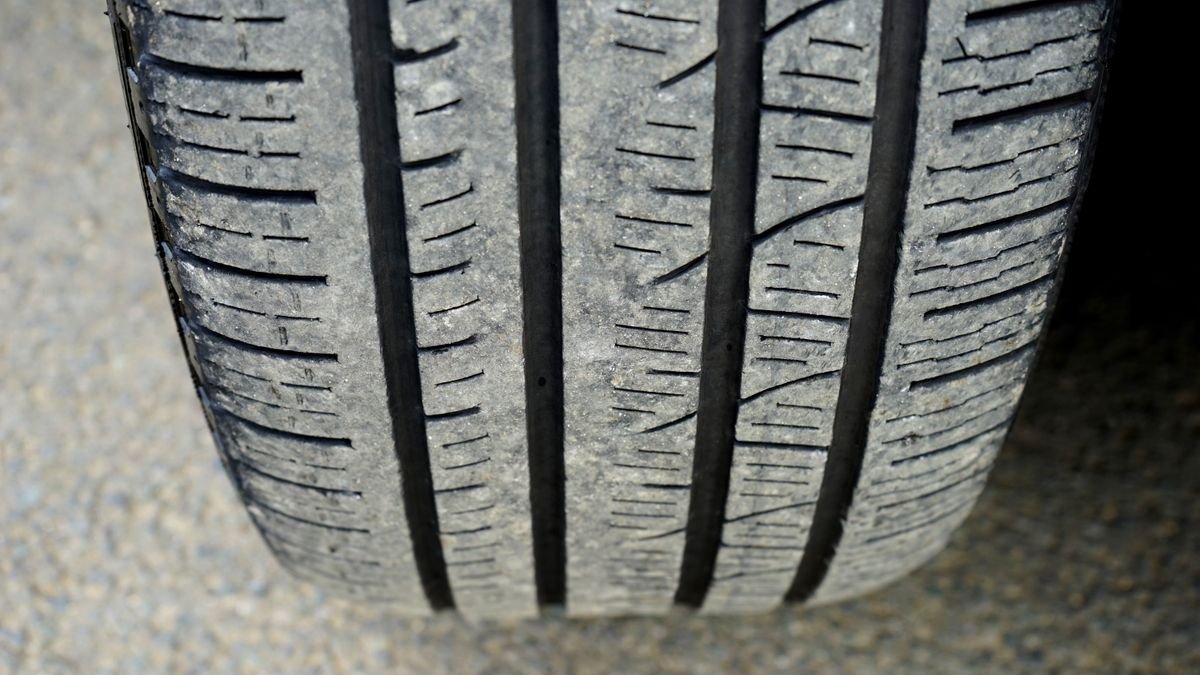
A worn tyre is a diagnostic record. The pattern of wear across and around the tread tells you about pressures, alignment, suspension condition and how the van has been loaded. Reading it properly means you fix the cause rather than fitting new tyres and watching them wear the same way.
Van tyres are not car tyres
Before the wear patterns, one thing worth getting right. Vans require tyres with an appropriate load index for the axle loads, and commercial tyres are commonly marked with a C for commercial or with reinforced markings. Fitting a passenger car tyre to a van because it is cheaper or was available is genuinely unsafe if the load rating is inadequate, and it is an MOT and insurance issue.
Check the placard, usually in the door aperture or fuel filler, for the correct size, load index and speed rating, and for the separate laden and unladen pressures. Vans commonly specify noticeably higher rear pressures when loaded, and running unladen pressures on a fully loaded van causes both poor handling and rapid shoulder wear.
Safety notes
Never work under a van supported only by a jack. Use axle stands rated for the weight at the manufacturer support points, on firm level ground, with the parking brake applied and the wheels chocked. Wear eye protection when working underneath, as corrosion debris falls.
Suspension components can store considerable energy. Coil springs in particular must never be disturbed without proper spring compressors, and even then the job carries real risk. If you are not equipped for it, this is a job for a garage.
The wear patterns and what they mean
Both shoulders worn, centre good
Cause: Under-inflation. The tyre flexes outward and the shoulders carry more load than they should.
Also consider: Consistently carrying loads without adjusting to the laden pressures.
Consequence beyond wear: Under-inflation builds heat, which is the main cause of catastrophic tyre failure on a loaded van at speed.
Centre worn, shoulders good
Cause: Over-inflation. The tyre crowns and rides on the middle of the tread.
Also consider: Running laden pressures permanently on a van that is usually empty.
One shoulder only, inner or outer
Cause: Camber or alignment. Wear on the inner edge alone commonly indicates excessive negative camber or a toe setting out of specification.
Also consider: Worn suspension components allowing the geometry to sit wrongly, or damage from a kerb strike or pothole.
Next step: Alignment check, but only after any worn joints have been replaced. See steering problems and play.
Feathering, where tread blocks are sharp on one edge and rounded on the other
Cause: Almost always incorrect toe setting. Run your hand across the tread in both directions; if it feels smooth one way and sharp the other, that is feathering.
Next step: Alignment.
Cupping or scalloping, patchy high and low areas around the circumference
Cause: The tyre is bouncing rather than staying in contact. Usually worn dampers, sometimes wheel imbalance or a worn suspension component.
Next step: Assess the dampers. See shock absorber wear. Replacing the tyre without fixing the damper reproduces the pattern.
Flat spots
Cause: Heavy braking with wheels locked, or a van that has stood for a long time in one position.
Also consider: An ABS fault allowing lock-up. See ABS warning light diagnosis.
Rapid wear on rear tyres specifically
Cause: On a van, frequently load related. Rear axles carry most of the payload.
Also consider: Rear alignment, which many owners do not realise is adjustable or measurable on some vans, and worn rear suspension bushes.
Diagnostic sequence
1. Check pressures cold
Check: Before driving, against the placard, using the correct laden or unladen figure for how the van is currently used.
Next action: Correct them, then re-inspect wear after a few weeks. Many patterns resolve here.
2. Measure tread across the width
Check: Use a depth gauge at the inner edge, centre and outer edge of each tyre, and record the figures.
Next action: Numbers are far more reliable than impression, and the pattern across the width identifies the cause.
3. Feel for feathering
Check: Run a hand across the tread in both directions.
Next action: Sharp edges one way indicates toe. Book alignment.
4. Check for play before aligning
Check: Ball joints, track rod ends and bushes.
Next action: Alignment on a van with worn joints is money wasted. Fix wear first, align second.
5. Check the dampers if cupped
Check: Visual inspection for leaks, and ideally a proper suspension test.
Next action: Cupping does not resolve on its own.
Legal minimums
For most vans the legal minimum tread depth is 1.6mm across the central three quarters of the tread and around the entire circumference. Note the wording: it must be met around the whole tyre, so a tyre that is legal in one place and bald in another is not legal. Tyres must also be free from cuts, bulges and exposed cord, and all tyres on an axle should be of consistent size, construction and rating.
Indicative UK costs
Broad context only. Van tyres commonly cost more than car equivalents because of their heavier construction, frequently in the mid-to-high tens of pounds into the low hundreds each depending on size and brand. Wheel alignment is usually a modest charge and is cheap relative to a set of tyres ruined by running misaligned. Get quotes.
Common mistakes
- Fitting car tyres with inadequate load rating. Unsafe, and an MOT and insurance problem.
- Ignoring the laden pressure figures. Vans have two sets for a reason.
- Replacing tyres without fixing the cause. The new set wears the same way.
- Checking pressures when hot. Readings are inflated. Check cold.
- Aligning before replacing worn joints. Wasted money.
- Checking tread in one spot only. Wear is frequently uneven around the circumference.
When to stop and get help
Replace immediately and do not drive on a tyre with a bulge, a cut deep enough to expose cord, or tread below the legal minimum. A bulge indicates internal structural damage and can fail without warning. Get help if a wear pattern returns quickly after new tyres, since something structural is causing it.
Prevention
Check pressures at least monthly and adjust for load. Have alignment checked annually and after any significant kerb or pothole impact. Inspect tread across the full width rather than glancing at the middle. Address suspension wear promptly, since it is usually cheaper than the tyres it destroys.
Frequently asked questions
What do the markings on a van tyre mean?
Beyond size, the load index and speed rating are the critical figures, and a C marking indicates commercial construction. Match what the placard specifies.
Should I run laden pressures all the time?
Only if the van is generally loaded. Running laden pressures on an empty van causes centre wear and a harsh ride.
Why do my rear tyres wear faster?
On a van, usually load. Rear axles carry most of the payload, and rear alignment or worn bushes can contribute.
Can I mix tyre brands?
Tyres on the same axle should match in size, construction and rating. Mixing across axles is less critical but consistency is preferable, particularly on a vehicle carrying weight.
This guide is general information for UK van owners, not vehicle-specific repair instructions. Procedures, tolerances and component layouts vary by engine code and model year. Confirm any figures against your VIN and manufacturer workshop information, and see our Disclaimer before carrying out any work.