
 by
Brake fluid is the most neglected fluid on most vans. It has no dipstick reading that tells you its condition, it does not get visibly dirty in a way that prompts action, and it rarely appears on an owner’s mental list of things to change. It is also the fluid whose deterioration has the most direct consequences for whether the van stops.
Why it degrades
Brake fluid is hygroscopic, meaning it absorbs moisture from the atmosphere. It does this through microscopic paths in flexible hoses, past seals and whenever the reservoir cap is opened. The moisture content rises steadily over time regardless of mileage.
This matters for two reasons:
- Boiling point falls. Water boils far below the temperature brake fluid tolerates. Under sustained heavy braking, moisture in the fluid can vaporise, and vapour compresses where fluid does not. The result is a long or spongy pedal at exactly the moment you need the brakes most, typically on a long descent or with a heavy load.
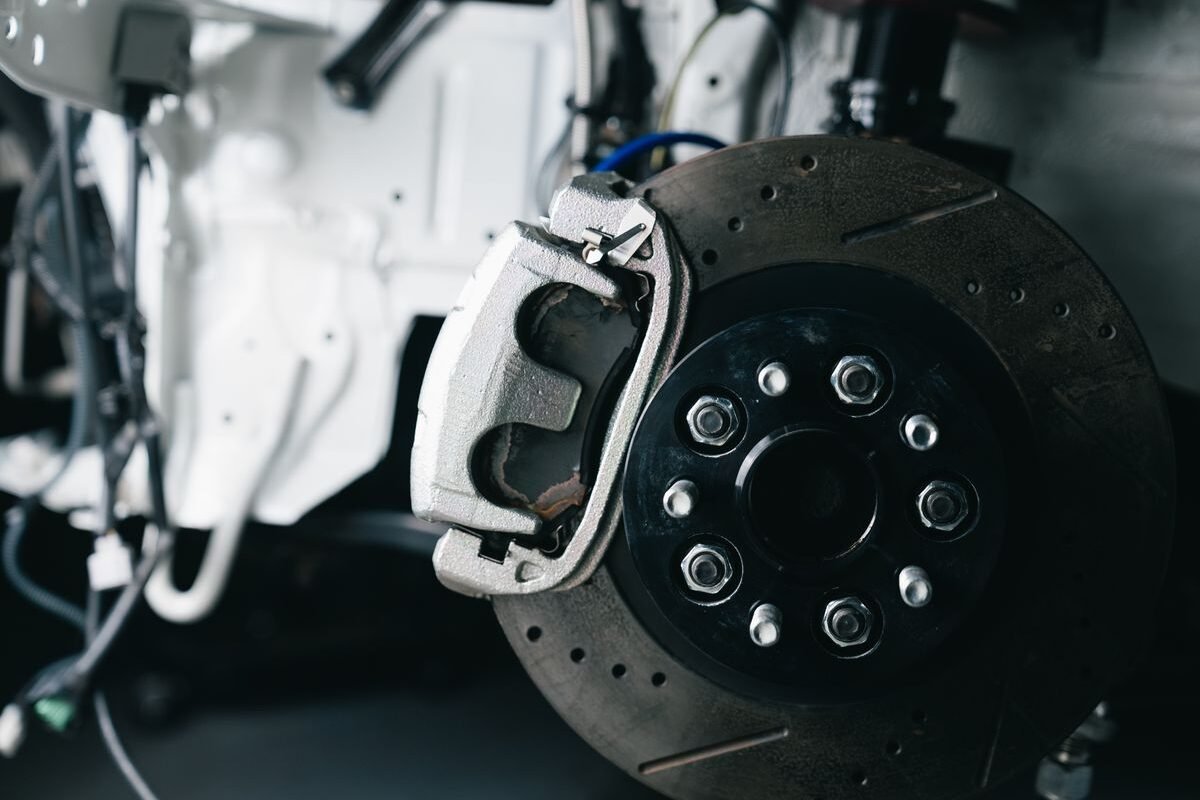
- Corrosion. Water in the system corrodes caliper bores, pistons, ABS components and metal lines from the inside. ABS units in particular are expensive, and corrosion damage inside them is not repairable in any practical sense.
This is why brake fluid is changed on a time interval, not a mileage one. A low-mileage van sitting on a driveway is degrading its brake fluid on exactly the same schedule as one covering motorway miles.
Safety notes
Brakes are safety critical. If you are not confident carrying out brake work to a proper standard, have it done by a qualified technician. Never work under a van supported only by a jack; use rated axle stands on firm level ground with the wheels chocked.
Brake dust should not be inhaled or blown out with an airline. Brake fluid damages paint and absorbs moisture from the air, so keep containers sealed. After any work that opens the hydraulic system, bleed the brakes correctly and test the pedal thoroughly at low speed before driving normally.
Symptoms of degraded fluid
- Spongy pedal that improves after pumping, particularly noticeable when the brakes are hot.
- Pedal travelling further than it used to before the brakes bite.
- Brake fade on long descents or when heavily laden.
- Dark, murky fluid in the reservoir. Fresh fluid is clear to pale straw; old fluid darkens.
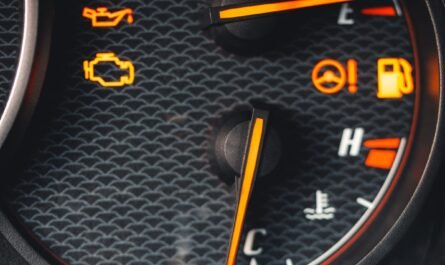
- Brake warning light where the level has dropped.
A caveat worth stating: a spongy pedal can also mean air in the system, a failing master cylinder, a leaking caliper or a flexible hose ballooning under pressure. Degraded fluid is one cause among several.
A falling fluid level is not always a leak
Worth understanding because it prevents unnecessary alarm. As brake pads wear, the caliper pistons sit further out, and the fluid that fills the space behind them comes from the reservoir. So a gradually falling level across the life of a set of pads is normal and expected.
What is not normal is a level that falls noticeably over a short period, or one that falls when the pads are known to be healthy. That is a leak, and it needs finding immediately. Check around calipers, along flexible hoses, at the master cylinder and, on vans with a hydraulic clutch sharing the reservoir, at the clutch slave cylinder.
Never simply keep topping up a falling level. Find out where it is going.
Diagnostic sequence
1. Check level and appearance
Check: Level against the minimum and maximum marks, and the colour of the fluid.
Next action: Dark fluid suggests it is overdue. A low level prompts the pad-wear versus leak question above.
2. Test moisture content
Check: An inexpensive electronic brake fluid tester reads moisture percentage in the reservoir in seconds. Many garages will do this as part of a service check.
Next action: Compare against the threshold the fluid manufacturer or your vehicle handbook specifies. Note the limitation: the reservoir is the coolest, least worked part of the system, so fluid at the calipers can be worse than the reservoir reading suggests.
3. Assess pedal feel
Check: Pedal firmness cold, then after a series of stops.
Next action: A pedal that softens as the brakes heat up points strongly at moisture in the fluid. A consistently spongy pedal regardless of temperature suggests air or a hydraulic fault.
4. Inspect hoses and lines
Check: Flexible hoses for cracking, bulging or chafing, and rigid lines for corrosion, particularly where they run along the underside and near the rear axle.
Next action: Corroded brake lines are an MOT failure and a genuine safety risk on older vans. See our guide to common MOT failures.
Getting the specification right
Brake fluids are graded, most commonly DOT 3, DOT 4 and DOT 5.1, with various enhanced DOT 4 formulations. These are glycol-based and are generally compatible with each other, though you should use the specification your manufacturer requires or higher.
DOT 5 is different and must not be confused with DOT 5.1. DOT 5 is silicone-based, is not compatible with glycol fluids, and must never be mixed with them or used in a system designed for glycol fluid. The similar names cause genuine and expensive mistakes.
Check your handbook or the reservoir cap for the required specification, and buy fluid in sealed containers. An opened bottle begins absorbing moisture immediately, so do not use leftover fluid from a previous job.
Changing it
A fluid change means flushing old fluid through until clean fluid emerges at each bleed point, working in the sequence the manufacturer specifies. That sequence matters and is not always the intuitive furthest-first order.
Two things make this harder than it looks on a modern van. First, the reservoir must never be allowed to empty during the process, or air enters the master cylinder and the job becomes considerably more involved. Second, many vans with ABS require a diagnostic tool to cycle the ABS pump so old fluid trapped within the unit is flushed out. Without that step, a proportion of the old fluid stays in the system.
If you do not have the correct procedure and, where needed, a tool capable of cycling the ABS, this is a sensible job to pay for.
Indicative UK costs
Broad context only. A brake fluid change at a garage is typically among the cheaper servicing items, often well under a hundred pounds. A litre of quality fluid is inexpensive. Against that, a corroded ABS unit is a major expense, which is what makes this one of the better-value preventive jobs on a van. Get quotes.
Common mistakes
- Treating it as mileage-based. It degrades with time. Low mileage does not exempt you.
- Topping up instead of investigating. Masks a leak or worn pads.
- Using an opened bottle. It has been absorbing moisture since the seal broke.
- Confusing DOT 5 with DOT 5.1. Incompatible fluids, similar names, expensive outcome.
- Letting the reservoir run dry mid-change. Introduces air into the master cylinder.
- Skipping the ABS cycle. Leaves old fluid in the unit you were trying to protect.
- Spilling it on paint. Glycol brake fluid strips paint quickly. Wash any spill off with water immediately.
When to stop and get help
Stop driving and get help immediately if the pedal goes to the floor, feels spongy and does not improve, or if the brake warning light comes on and the fluid level is low. Do not drive a van with a suspected hydraulic leak. If you have opened the system and cannot achieve a firm pedal after bleeding, do not road test it — get it recovered to a garage.
Prevention
Change the fluid at the interval your manufacturer specifies, in years rather than miles. Have moisture content tested at each service, which takes seconds. Keep the reservoir cap firmly closed and only open it when necessary. Inspect flexible hoses and rigid lines when the van is on a ramp, particularly on older vehicles that spend winters on salted roads.
Frequently asked questions
How often should brake fluid be changed?
Check your handbook for the interval specified for your van. It is expressed in time, and following it matters more than mileage.
Can I mix DOT 4 and DOT 5.1?
They are both glycol-based and generally compatible, but use the specification your manufacturer requires or higher. Never mix either with silicone-based DOT 5.
My fluid level keeps dropping. Is that a leak?
It might be normal pad wear if it is gradual and the pads are wearing. If it drops noticeably in a short period, treat it as a leak and find it before driving.
Can I change it myself?
Possibly, with the correct procedure, sequence and a helper or pressure bleeder. The complication on modern vans is ABS, where a diagnostic tool is often needed to flush the unit properly.

One thought on “Brake Fluid on a Van: Why Time Matters More Than Mileage”