 by
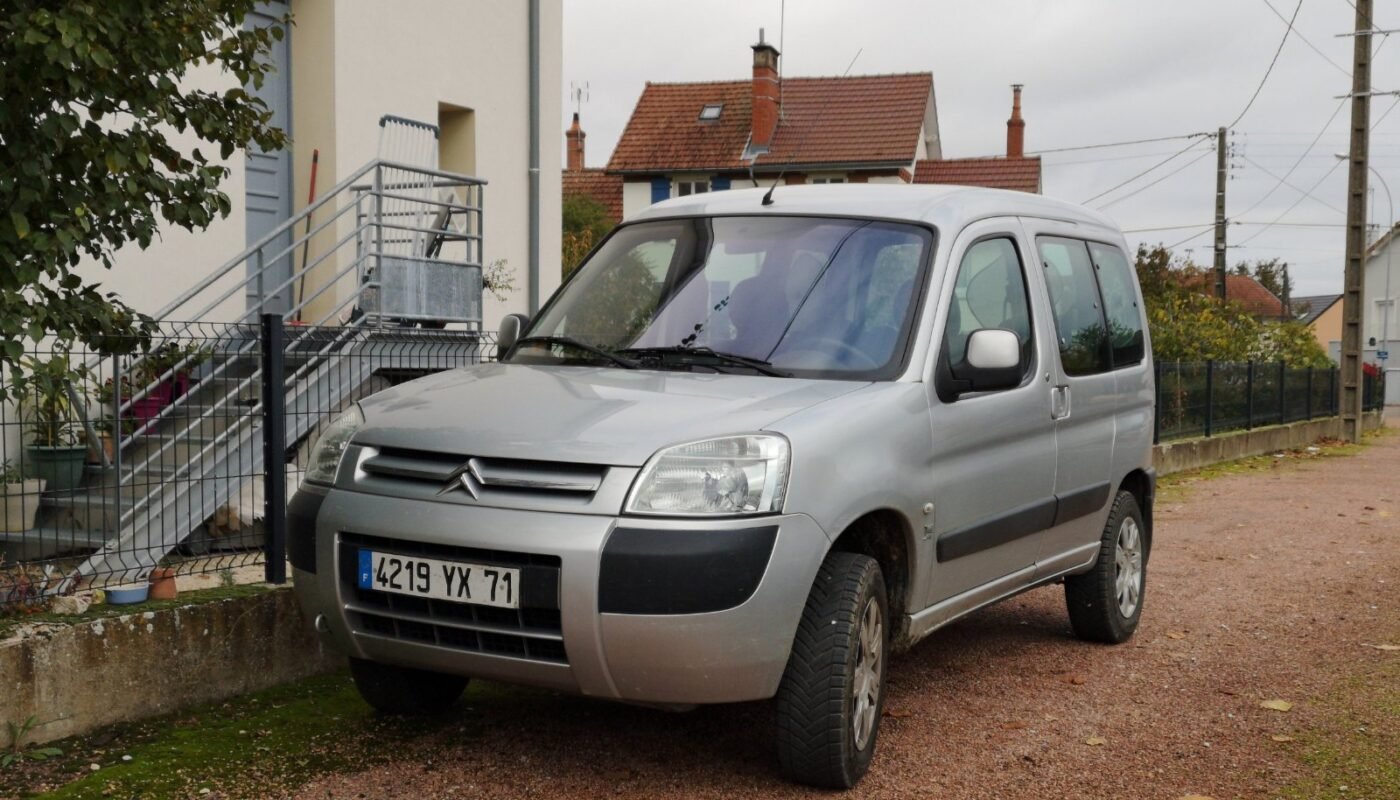
The 1.5 BlueHDi, known internally as the DV5, is one of the most common diesel engines in UK light commercial vehicles. Developed by PSA (now part of Stellantis), it powers small and medium vans including the Citroën Berlingo and Dispatch, Peugeot Partner and Expert, Vauxhall Combo and Vivaro, Toyota Proace City and Proace, and Fiat Doblò. If you own one, service one or are thinking of buying one, this guide covers the engine’s design, its best-known weak points and how to keep it healthy.
About the 1.5 BlueHDi (DV5) Engine
The DV5 arrived in the late 2010s as PSA’s replacement for the long-running 1.6 HDi/BlueHDi. It’s a 1.5-litre, four-cylinder, 16-valve turbodiesel, offered in various power outputs depending on the vehicle. It was designed to meet Euro 6 standards, so it comes with a full modern emissions package:
- Diesel particulate filter (DPF)
- Selective Catalytic Reduction (SCR) with AdBlue
- Exhaust gas recirculation (EGR)
- Common-rail injection with high injection pressures
When it’s running well, the DV5 is smooth, economical and has good torque for its size. But it has earned a reputation for a few specific problems that every owner should know about.
Common Problem 1: Timing Chain Wear
The DV5’s best-known weakness is its camshaft timing chain. Many owners and independent specialists have reported chain stretch, sometimes at relatively low mileage. As the chain stretches, the timing between the camshafts and crankshaft drifts.
Warning signs
- A rattling or ticking noise, especially on cold start, from the timing end of the engine.
- Engine management light with camshaft/crankshaft correlation or position codes (such as P0016 or related codes).
- Hard starting, rough running or loss of power.
Why it matters
If ignored, a stretched chain can jump teeth or break. On an interference engine like the DV5, that can mean pistons hitting valves and severe engine damage. A small rattle today is much cheaper to fix than a new engine later.
What to do
If you hear a rattle or see correlation codes, get the timing checked by a specialist familiar with the engine. Upgraded timing chain kits have been produced by aftermarket suppliers, and it’s worth asking which version of parts will be fitted. It’s also worth asking a Stellantis dealer whether any recall, update or goodwill applies to your vehicle’s VIN.
Common Problem 2: AdBlue System Faults
Like many Euro 6 vans, DV5-powered models have seen AdBlue system faults, including problems with the AdBlue tank module (pump, heater and level sensor), NOx sensors and dosing injectors. Symptoms include:
- AdBlue fault warnings on the dashboard.
- A countdown message warning that the engine will not restart after a certain distance.
- Engine management light with SCR or NOx-related codes.
Don’t ignore the countdown. Get the system diagnosed properly with live data rather than simply replacing the tank. Manufacturers sometimes offer extended cover, software updates or goodwill on AdBlue components, so give a dealer your registration and ask before paying for a repair.
Common Problem 3: DPF and EGR Issues
Small vans with the DV5 are often used for local deliveries and trades work – exactly the kind of short-trip driving that makes DPFs and EGR valves struggle. Frequent DPF warnings, raised oil levels (from fuel dilution during regeneration), and EGR-related fault codes are common in these conditions.
The fixes are the same as for any modern diesel: regular longer runs, correct oil, prompt repair of faulty sensors and injectors, and diagnosis with live data before replacing expensive parts.
Common Problem 4: Oil Quality and Level
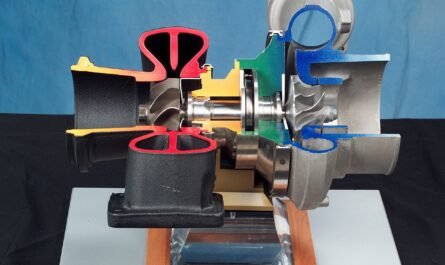
Because the timing chain, turbo and DPF all depend on the oil being in good condition, oil maintenance on the DV5 is critical. Many specialists recommend:
- Using oil that meets the exact Stellantis specification listed in the handbook.
- Changing the oil more often than the maximum interval if the van does lots of short trips or idling.
- Checking the level regularly. A level that rises may indicate fuel dilution from failed DPF regenerations, which thins the oil and accelerates chain wear.
Common Problem 5: Injector and Fuel System Issues
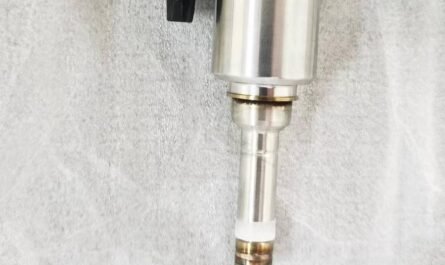
Some owners report injector-related faults, such as rough idle, hard starting or fault codes for injector correction. As with any common-rail diesel, poor fuel quality or water contamination can cause damage. Change the fuel filter at the correct interval and drain water if a drain is fitted. If an injector is replaced, it must be coded to the ECU with a diagnostic tool.
Buying a Used Van With a 1.5 BlueHDi
A DV5 van can be a good buy, but do your homework:
- Check the service history. Look for regular oil changes with the correct oil. Gaps or long intervals are a warning sign.
- Ask about the timing chain. Has it been replaced? If so, when, and with what parts? Get paperwork.
- Listen to a cold start. Ask the seller not to run the engine before you arrive. Listen for rattling from the timing end in the first few seconds.
- Scan for fault codes. Take a diagnostic tool, or pay for an inspection, and look for camshaft correlation, AdBlue, NOx, DPF or EGR codes.
- Check the MOT history. Look for advisories related to emissions, smoke or oil leaks.
- Check for outstanding recalls using the VIN or registration on the government recall checker.
Maintenance Tips for DV5 Owners
- Use the correct, manufacturer-approved low-SAPS oil – no exceptions.
- Shorten oil change intervals if your van does lots of short trips.
- Give the van a regular 20–30 minute run at steady speed to help DPF regeneration.
- Deal with warning lights immediately, especially AdBlue and engine management.
- Listen for changes in engine noise at cold start.
- Keep the van’s software up to date – dealers can check for updates.
- Use quality fuel and change the fuel filter on schedule.
Frequently Asked Questions
Is the 1.5 BlueHDi a reliable engine?
It can be, provided it’s maintained carefully. Many vans cover high mileages without major issues. However, the timing chain and AdBlue problems mean that neglected examples can be expensive.
How much does a DV5 timing chain replacement cost?
It depends on the vehicle, labour rates and whether other parts are replaced at the same time. Get itemised quotes from garages experienced with the engine and make sure upgraded parts are used where available.
Which vans use the DV5 engine?
In the UK, the DV5 is found in vans such as the Citroën Berlingo and Dispatch, Peugeot Partner and Expert, Vauxhall Combo and Vivaro, Toyota Proace City and Proace, and some Fiat models. Check your V5C or handbook for the exact engine.
The Bottom Line
The 1.5 BlueHDi DV5 is a capable, economical van engine with a couple of well-documented weak points. Stay on top of oil quality, listen for timing chain noise, react quickly to AdBlue warnings and give the van regular longer runs. Do that, and your DV5 has a far better chance of delivering the long, low-cost service it was designed for.
Check chain coverage before paying for a repair
Stellantis announced special camshaft-chain coverage in July 2025 for certain earlier 1.5 BlueHDi engines, subject to eligibility and maintenance conditions. Ask the relevant brand dealer to check your VIN and service history before authorising a repair. Sharing the DV5 engine family does not establish that every van or brand qualifies.
Read the Stellantis coverage announcement and conditions. It describes professional maintenance and authorised-network diagnosis and repair requirements; do not assume a DIY repair meets them.